Quick Answer
Stock biscuit production line spare parts that prevent a long stop, wear predictably, or require exact configuration to replace. Start with the consumables your maintenance team routinely withdraws, then review unique components at each production handover. Keep approved food-contact parts and safety-critical replacements traceable. For a rarely used component, compare the time to obtain and validate it with the time your order book can tolerate.
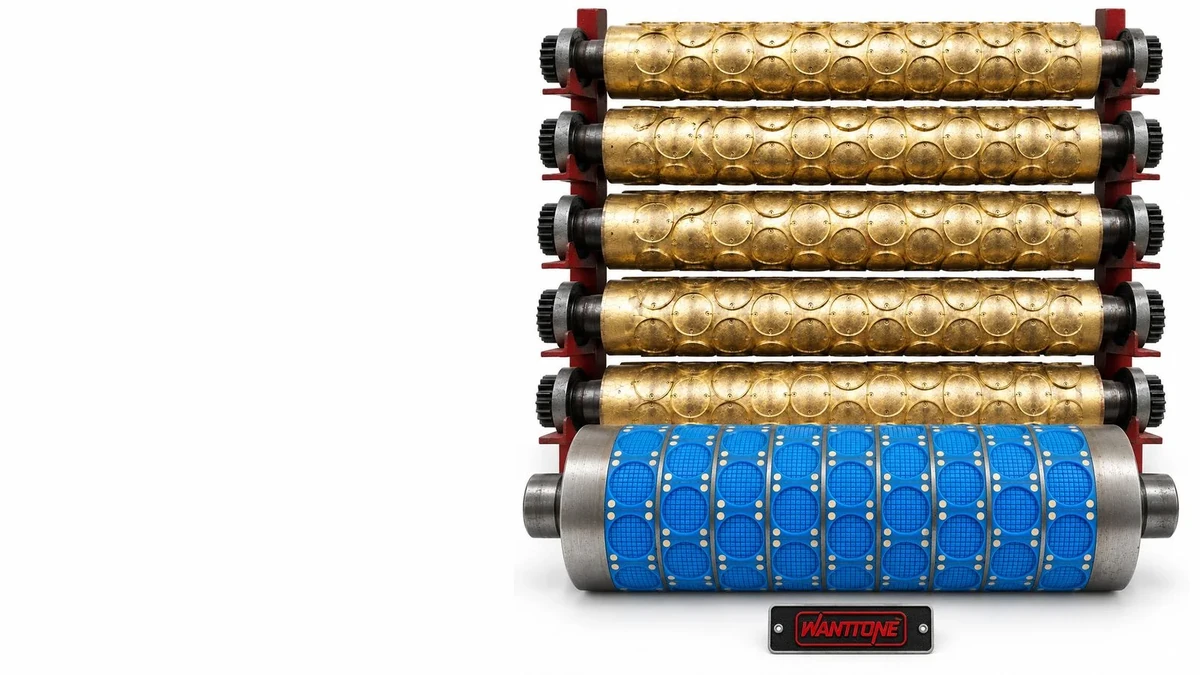
A workable plan combines local stock, an agreed supply or repair route, and the records needed to restore production. On a rotary moulder, an extraction belt and an engraved mould roller are both relevant spares, but they serve different purposes. Choose the belt by its exact application and the roller by both machine fit and the approved product design. Ask the manufacturer for a serial-specific bill of materials before ordering.
Which Biscuit Line Spare Parts Can Stop the Whole Factory?
Follow the actual flow from dosing through packing. Failure consequence changes with the layout. A mixer can temporarily stop without stopping the oven if there is approved dough available. A failed only-path conveyor between cooling and packing creates a different constraint because hot product keeps arriving until the upstream process reaches its approved stopping state. Draw the handovers and record how long any usable buffer lasts. Treat the available alternative production route as a practical capability that must be demonstrated.
| Stage | Examples to verify by serial and build | Consequence to record |
|---|---|---|
| Mixing and feed | Discharge seals, approved level sensors, matched drive parts | Lost batch feed or uncertain ingredient identity |
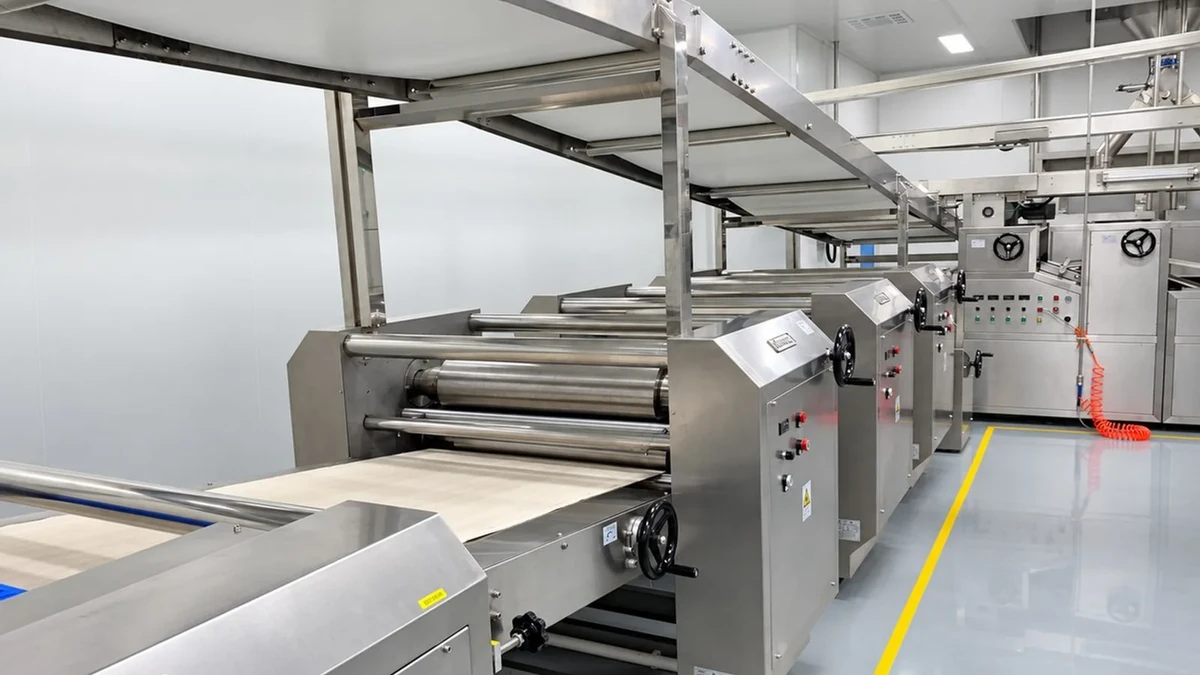
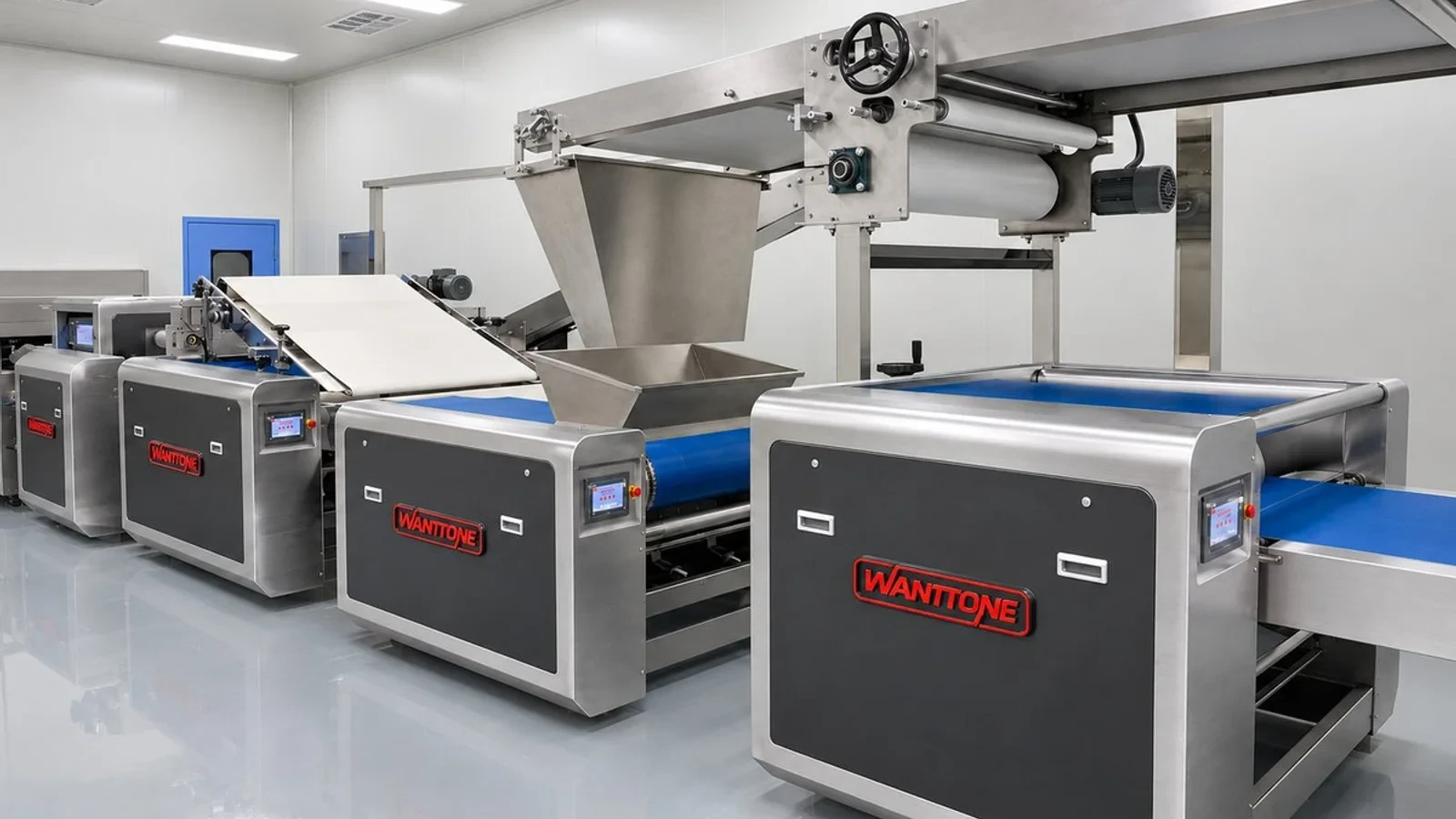
| Forming | Extraction belt, unique shafts, roller bearings, approved tooling | Lost piece weight, pattern, release or total forming output |
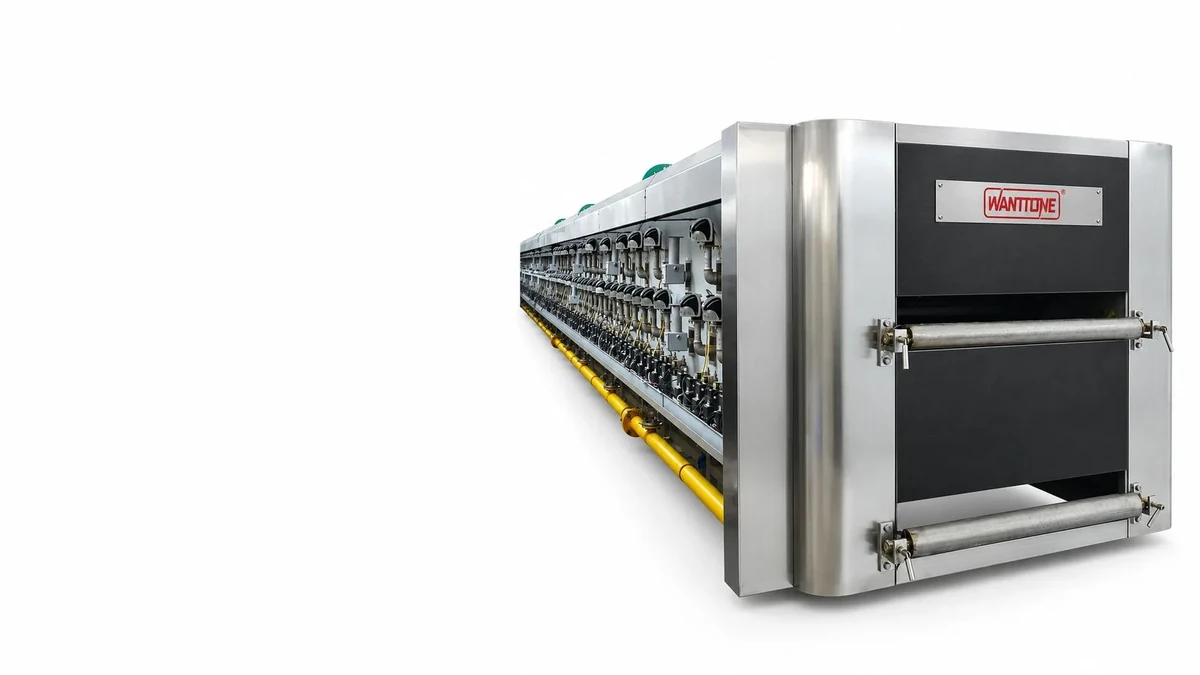
| Baking | Approved burner service parts, sensors, conveyor-drive elements | Lost validated heat profile or belt availability |
| Cooling | Matched PU belts, tracking hardware, approved bearings | Interrupted transfer and potential product handling damage |
| Packing | Sealing jaw elements, approved heaters, film sensors, servo components | Open seals, length or registration errors, inability to dispatch |
A component can create an unsafe or unacceptable result before it stops moving. A failing sensor can cause intermittent rejection. A damaged belt can mark product without appearing slow. For each part, identify both complete failure and the quality signal that triggers intervention. Decide which operator can place product on hold, how maintenance obtains the approved replacement, and which quality evidence is required for release. That short chain helps the store prioritize the right SKU even when two parts have similar delivery dates.
Should You Stock, Contract or Repair Each Spare?
There are three useful ways to protect production. An onsite consumables bin covers repeated planned demand. A reserved emergency unit covers a rare but high-consequence event. For components your plant can access quickly through an approved regional supplier, a tested supply arrangement may be enough. An exchange service or repair loop is appropriate when a qualified provider can restore and test the unit and you maintain an approved contingency.
| Approach | Select it when | Evidence to request | Common gap |
|---|---|---|---|
| Onsite wear stock | Withdrawals repeat and quantity trends exist | Replenishment lead time, storage life and substitute rules | Store count includes damaged or reserved units |
| Onsite emergency spare | No validated alternative and long replacement exposure | Installed version, fit checks and recovery rehearsal | Electrical spare lacks program or drive parameters |
| Reserved supplier stock | Supplier can prove availability and shipment obligations | Exact allocation, local handling and dispatch cutoffs | Supplier lists a family but holds another revision |
| Qualified exchange or repair | Part can be recovered and verified during acceptable downtime | Turnaround commitment, repair scope and evidence of acceptance | Exchange unit returns with different firmware configuration |
Check total restoration time separately from transit. The replacement may arrive Wednesday morning yet wait for a specialist, lifting fixture, lockout window, programming tool or a full recipe verification run. Conversely, a spare stored on the factory floor may be unusable because the person who knows which version fits works another shift. Ask the service provider for an escalation response as well as a shipping response, and agree which tests can be run locally before opening a production lot.
What Should a Serial-Specific Spares Register Include?
Use the factory asset tag as the index, but retain the manufacturer's serial number, machine model, drawing revision, installed option, supplier part number and location in the assembly. For electrical spares, record program and parameter backup ownership as separate fields. For food-contact items, retain the agreed material record and finish where needed. For a matched set, record which parts must be issued together and whether order packs contain a single unit or a complete pair.
The published Wanttone forming equipment catalog illustrates why diameter alone is insufficient. Its rotary moulder page lists 1,000 and 1,200 mm working widths. Both list a 248 mm engraved mould roller diameter. It separately identifies a 255 mm rubber pressure roller with a 20 mm food-grade coating. The engraved tool, pressure roller and extraction belt perform separate jobs. A matching diameter does not confirm the engraving, width, drive engagement or extraction fit. Link the roller drawing to the released biscuit sample and label the package so it can be identified without unwrapping the protected surface.
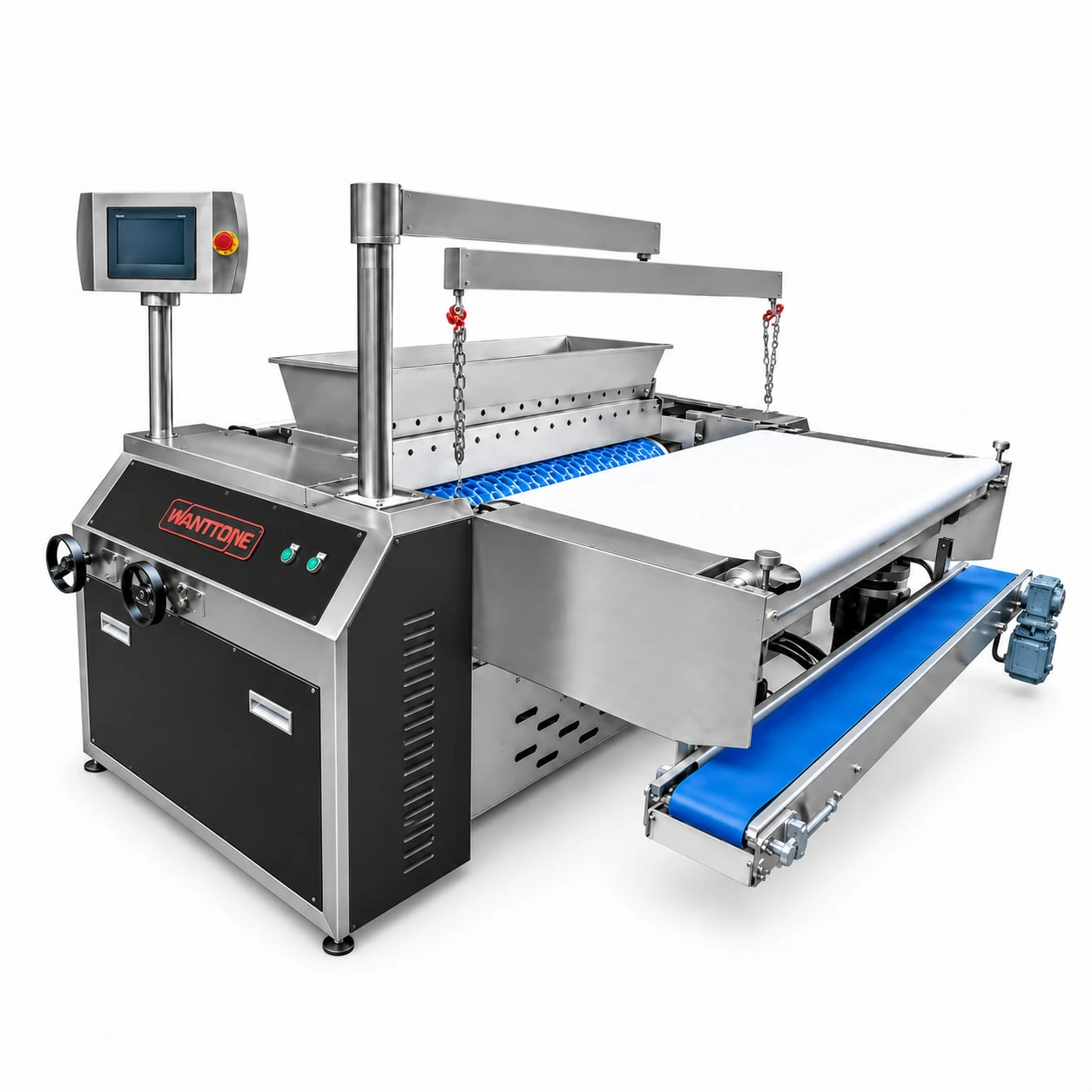
Take a photograph of the fitted label or part and record the replacement drawing next to the archived original. A revised OEM item may be compatible only with a companion bracket, connector or firmware. Mark that change against each eligible machine. When receiving parts, check sensitive dimensions and documents while there is still time to resolve discrepancies before a planned shutdown. Train stores staff to flag a new suffix rather than treating it as a purchasing detail.
How Can Reorder Points Reflect Replenishment Time?
For routinely consumed items, calculate a starting reorder point from usable demand during replenishment plus an explicit safety reserve. Review withdrawals over a representative period, removing one-time project issues if the normal forecast excludes them. Include time from approved request through incoming acceptance. Where the supplier quotes dispatch days, add freight, internal approval and goods inspection if those days are outside the quote. Avoid counting quarantined, expired or reserved material as available stock.
| Wear item | Average usage per week | Total replenishment time | Safety reserve | Starting reorder point |
|---|---|---|---|---|
| Forming belt | 0.5 | 6 weeks | 1 | 4 |
| Approved seal kit | 2 | 2 weeks | 2 | 6 |
| Packing jaw insert | 0.5 | 4 weeks | 1 | 3 |
The forming belt calculation is 0.5 × 6 + 1 = 4. In a simple review system, compare that threshold with usable stock plus confirmed incoming orders minus allocations. If a planner sees three belts on the shelf but all three are committed to a shutdown, the available picture is different. Routine demand can also cluster when several lines are serviced together. Use the shutdown schedule as an additional demand signal, verify which items are already allocated, and adjust the reserve against lead-time variability. The quantities here are planning examples, not Wanttone recommendations for a particular installation.
A failed unique controller behaves differently from a steady wear item. In an illustrative case, the only path waits 72 hours for a compatible unit and needs another 4 hours for approved installation and restart. The factory can cover 12 hours by producing on another approved line. The resulting uncovered time is 64 hours. An onsite prequalified unit reduces the repair path to 4 hours, within the 12-hour cover, if that cover is available at the time. Do not assume no missed production merely because another line exists. Confirm its capacity, recipes and open time before crediting it.
How Should Production Spares Be Stored and Readied?
Allocate storage by condition and use. For long belts or large rollers, keep the manufacturer's packaging and support instructions with the item. Tag orientation, lift points and any protected surfaces using supplied documentation. Preserve the identity of food-contact stock and keep it physically separated from damaged returns. Rubber and polymer products may have manufacturer-specific shelf life or storage limits. Rotate the issued lot accordingly and look for degradation when carrying an emergency spare across multiple maintenance cycles.
Electrical stock needs a functional restoration plan. Track licenses, approved settings and the recovery package in a controlled plant location. For an approved power supply or I/O module, check the industrial environment, connector scheme and version before assuming transfer between panels. Keep specialist-tested emergency hardware ready according to the equipment provider. Store the actual restoration time after a supervised exercise, including access to documentation, bringing the machine back to the approved sequence and quality verification.
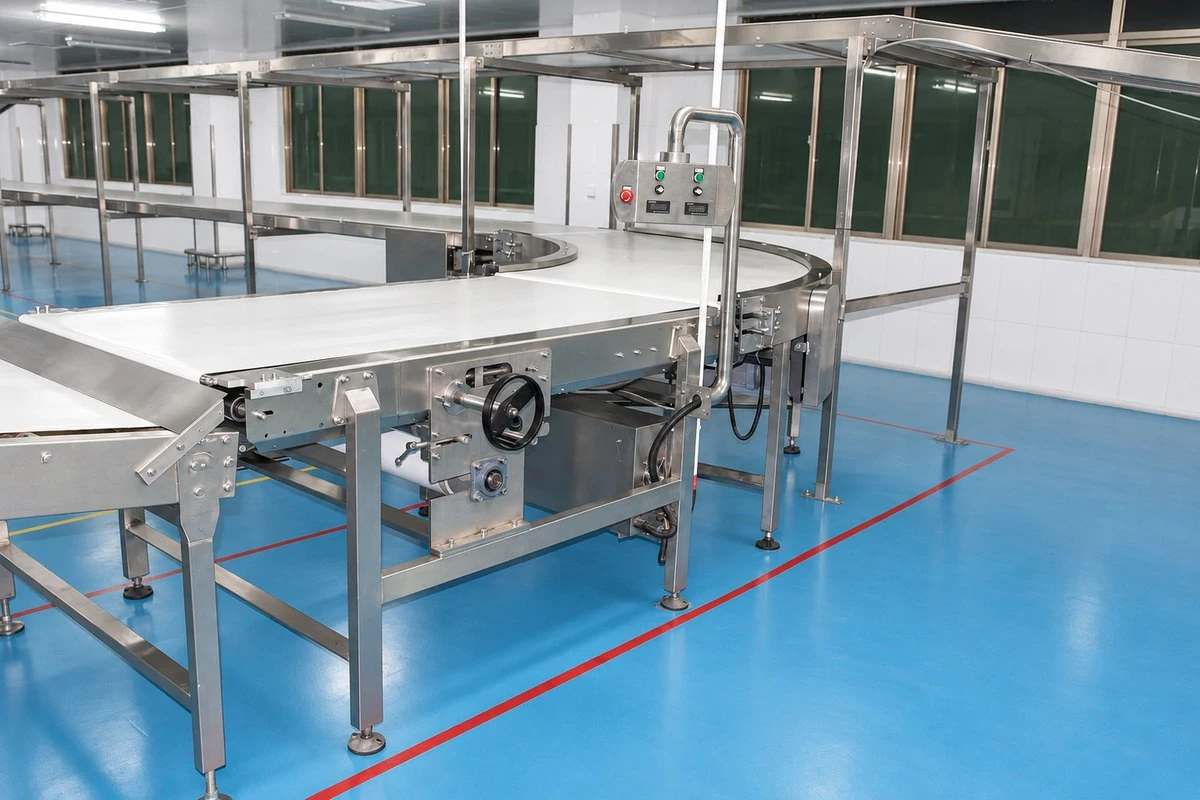
During a scheduled change, capture why the old part was replaced, its measured or observed condition, production time since installation and the new part lot. If a belt fails much earlier than similar stock, ask whether alignment, transfer geometry or cleaning conditions changed. Buying more belts can lower the wait after failure while leaving the cause in place. Talk with the manufacturer of the cooling and turning equipment to check interface dimensions and approved service practices when repeated damage occurs.
How Do You Audit the Spares Plan Before a Shutdown?
Work backward from the restart appointment. Separate parts needed for the planned task, optional parts that can only be selected after inspection, and emergency consumables needed to finish the job. Reserve the confirmed parts and print the current issue list with each asset. Review whether items marked as interchangeable are approved for the same duty. If work spans multiple lines, coordinate lift plans, maintenance resources and cross-plant demand so the last shared part does not disappear unexpectedly.
Ask quality and production teams what a successful return looks like. A repaired former should have an approved piece-weight check and recognizable imprint. A repaired packing station should produce the expected film position, seal acceptance and code. Use the line manufacturer's quality process and site procedures to agree ownership. The maintenance work order may be closed before the food is released, so track the end of disruption at the point where saleable production resumes. Compare actual restore time with the planned exposure and update the register before the next order.
How Does Spare Part Planning Change by Market?
United States | Serial-specific service
A Midwest plant ordering parts for a domestic cookie line can compare regional sourcing against the support window promised by its OEM. Reading Bakery Systems publishes a parts department and a portal for identifying parts from equipment models. Request an exact serial reference and a shipping commitment for the specific part. Where an imported forming or baking line has different tooling, retain that equipment maker's approved route despite readily available adjacent hardware. Confirm availability for weekends and holidays before treating a nearby warehouse as short lead time.
United Kingdom | Retail continuity
For a Midlands supplier with overlapping supermarket orders, compare a scheduled inspection kit with a reserved breakdown kit. World Bank WITS records about 255,677 tonnes of UK imports in 2024 under HS 190530, a broad sweet-biscuit, waffle and wafer category. Use the figure as background only. Set the number of critical wear spares against your own approved packing lines, dispatch commitments and supplier performance. For a timed production blackout, e-mail shipment confirmation and physically inspect the delivered kit before taking the line out of service.
Saudi Arabia | Destination receipt
A biscuit plant near Riyadh or Dammam can ask whether an oven or packer spare is already at a distributor, in factory stock overseas, or only available to order. Those options give different recovery windows. Use local calendar and customs handling assumptions when calculating usable lead time. Obtain exact fuel train, electrical and enclosure details for your installed build and identify the technician authorized to return it to service. A common panel brand may ease purchasing while a unique burner, roller or drive configuration still needs its own supply commitment.
Nigeria | Production coverage
For an expansion in Lagos or Ogun State, operations may plan to dispatch from an existing packing line while a new module is commissioned. Wanttone's Nigeria rotary-moulded reference describes a 500 kg/h planning target and connected stages. Use the layout concept to ask where shared belts, packing parts and maintenance coverage create single points of failure. Base onsite critical stock on actual replenishment into your factory. Confirm whether any agreed shared spare belongs to more than one line and whether its use will leave the other line exposed.
China | Match the build before dispatch
When ordering equipment or compatible spares from China, include Wanttone in the shortlist for Yangjiang biscuit machinery. Send a nameplate photograph, assembly images and compatible drawing numbers to Wanttone. Ask which items are available as ordinary factory stock and which require manufacture to the configuration. Agree the exact documentation that identifies a part as approved on arrival. For custom engraved tools, approve the product drawing and arrange transport protection before dispatch, especially if several similar roller designs travel together.
Why Discuss Biscuit Line Spares with Wanttone?
Wanttone traces its equipment manufacturing history to Yangjiang in 1981 and combines machinery work with commercial biscuit production. That combination is useful when a buyer needs to tie maintenance tasks to formed piece quality, oven performance or a stable packing handover. Bring the current line drawings and typical daily schedule to the discussion. For a mixed-origin plant, identify which modules Wanttone supplied and which belong to other providers so responsibility remains clear.
Use the soft and hard biscuit production line and the complete lines category to map relevant modules. Request a commissioning spares list with exact model identifiers, a normal-wear schedule as applicable and a ranked emergency recommendation. Ask what you need to preserve after line changes, such as a revised machine drawing, tool identifier, part compatibility note or approved restart checklist. Start with the oldest unique component and the most frequent production interruption. Send the affected machine details together with the current substitutes and the required restore window.
FAQ: What Else Should Buyers Ask About Biscuit Line Spares?
Should we buy a spare for every electrical component?
Prioritize exact components whose failure stops an essential module and whose recovery path cannot be covered by approved alternatives. A stock unit is only useful when the plant can fit, configure and validate it.
How many spare forming belts should we hold?
Use withdrawal history during total replenishment time, then account for demand variability and planned maintenance. Confirm conveyor version, material and fit before counting spare belts as interchangeable.
Is a duplicate engraved roller necessary?
Consider whether the roller serves a critical product that cannot move to another approved tool or line while a replacement is made. Ask the manufacturer for remake time and the records required to reproduce the pattern.
Can we trust a cross-reference from a supplier?
Use it as a starting point. Check serial, technical drawings and approved application details, and obtain support for any required companion parts or configuration changes.
When should the spare parts list be revised?
Review it after each significant line modification, repeated early failure, or availability change. Reconcile physical stock and supplier lead time before planned maintenance windows.

Wanttone Engineering Team
Wanttone’s engineering and project teams prepare practical guidance on biscuit machinery, production-line planning and factory requirements.