Quick Answer
Upgrade from a semi-automatic to a fully automatic biscuit line when repeatable product volumes and manual transfer losses are large enough to justify connecting the operations. Proceed when the factory can define the parts of mixing, forming, baking, cooling and packing included in the automatic sequence and can staff the necessary operation, sanitation and maintenance. Confirm how the line behaves through product changes, normal stops and recovery before basing an order on a supplier's unattended speed claim.
Buyers can connect one unstable handoff first, retain proven equipment and expand automation after a run proves the improvement. If the old equipment cannot share controls or product flow safely, specify a full linked system using a defined output and trial. Use Wanttone's capacity expansion application to discuss the scope and existing equipment.
What Should a Fully Automatic Biscuit Line Include?
Define the production boundary before suppliers select equipment. One vendor may call the former and oven an automatic biscuit line because they can run without a person moving dough pieces between them. Another may include automatic ingredient weighing, stacking, wrapping and inspection. Neither claim tells the purchaser who brings ingredients to the mixer, installs film, clears approved interruptions, checks quality or moves packed cases.
Mark manual and automatic actions on a sequence drawing. Begin with raw product and finish where the order counts as ready for release. Give the parties a list of equipment, standard operating tasks and control functions. Include which stations can run independently and what happens when the connection to an adjacent machine is unavailable. Identify each place where a person has to intervene before the rest of the line can continue.
| Handover | Semi-automatic example | Connected line requirement |
|---|---|---|
| Dosing to mixer | Operator verifies and stages batches | Define automatic dosing and manual checks retained |
| Mixer to former | Dough transferred in individual loads | Metered feed with recipe-specific behavior and approved supply |
| Forming through oven | Trays or pieces handled at one transfer | Match loading, band speed and recovery sequence |
| Cooling to packing | Operator collects and presents biscuits | Define acceptable orientation, accumulation and release |
| Inspection to case | Personnel handle good packs and rejects | Specify verification and case handling if included |
No credible automation scope removes all people. Plan how a qualified operator acknowledges alarms, how quality staff verify acceptance, and how maintenance clears a repair for release. These requirements affect investment and available staff even if labor devoted to transfer falls.
Sometimes the term automatic refers to sequencing only. Equipment can follow an approved recipe while a worker still checks ingredient identity and pulls a container into place. Ask the supplier to describe a normal replenishment cycle and a normal change of material. Mark each material, information and control handoff. Make the process owner approve the boundary from real activities rather than the equipment titles. This also helps facilities staff identify work the factory must retain, such as moving a bulk bag, taking product samples or staging clean components.
How Do Semi-Automatic and Fully Automatic Lines Compare?
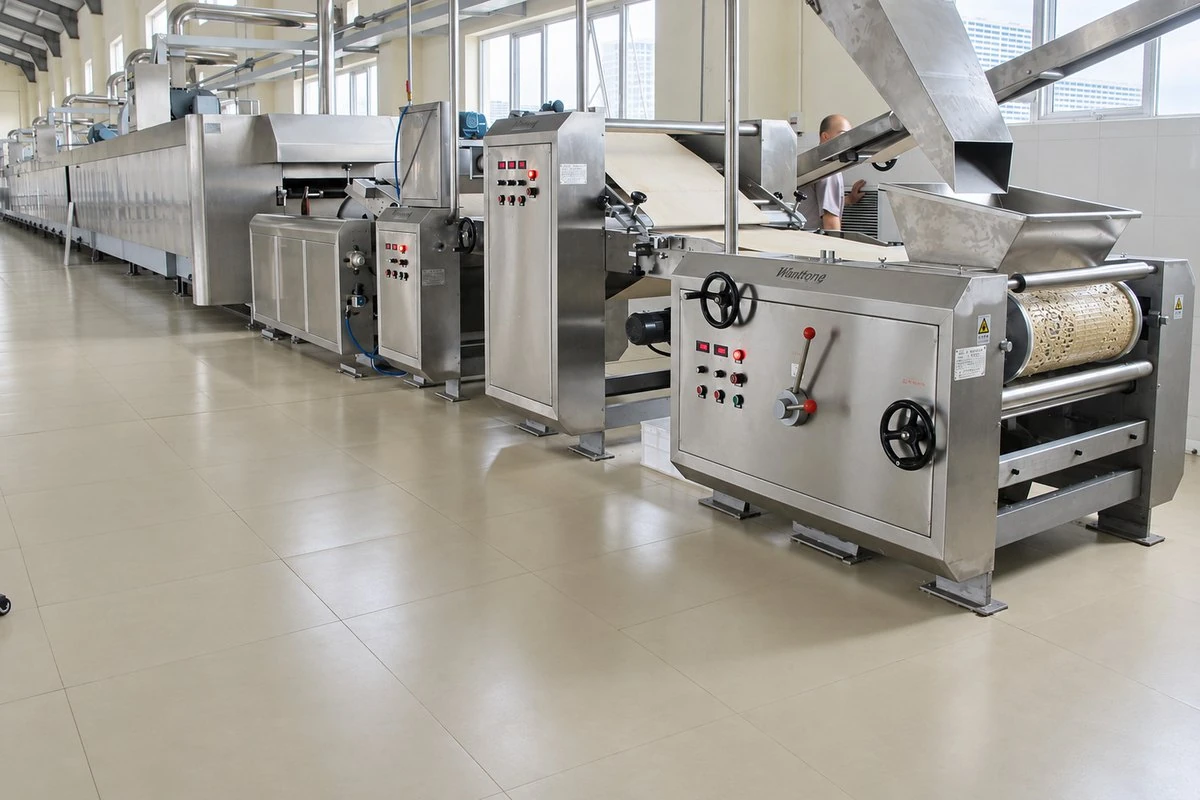
Semi-automatic lines retain buffers and human decisions between some machines. That can help a factory accommodate small orders, seasonal recipes or manual product checks. It can also interrupt consistent supply when the same person shares several tasks. A connected system can reduce travel and repeated handling if products are presented consistently. A stop can propagate across more of the line because one machine depends on another. Correct buffering and controlled recovery need to be part of the project.
| Factor | Semi-automatic | Fully connected within defined scope |
|---|---|---|
| Main benefit | Modular work and independent use of retained machines | Predictable transfer and more coordinated product flow |
| Labor need | More direct handoffs, staging and travel | More process observation, changeovers and troubleshooting |
| Product mix | Practical when frequent changes rely on separate stations | Valuable when programs and tooling reliably cover the mix |
| Fault behavior | One station may pause while others still build stock | Downstream trouble can affect upstream sequence |
| Acceptance | Good output and operator time at each handoff | Sustained accepted output plus starts, stops and recovery |
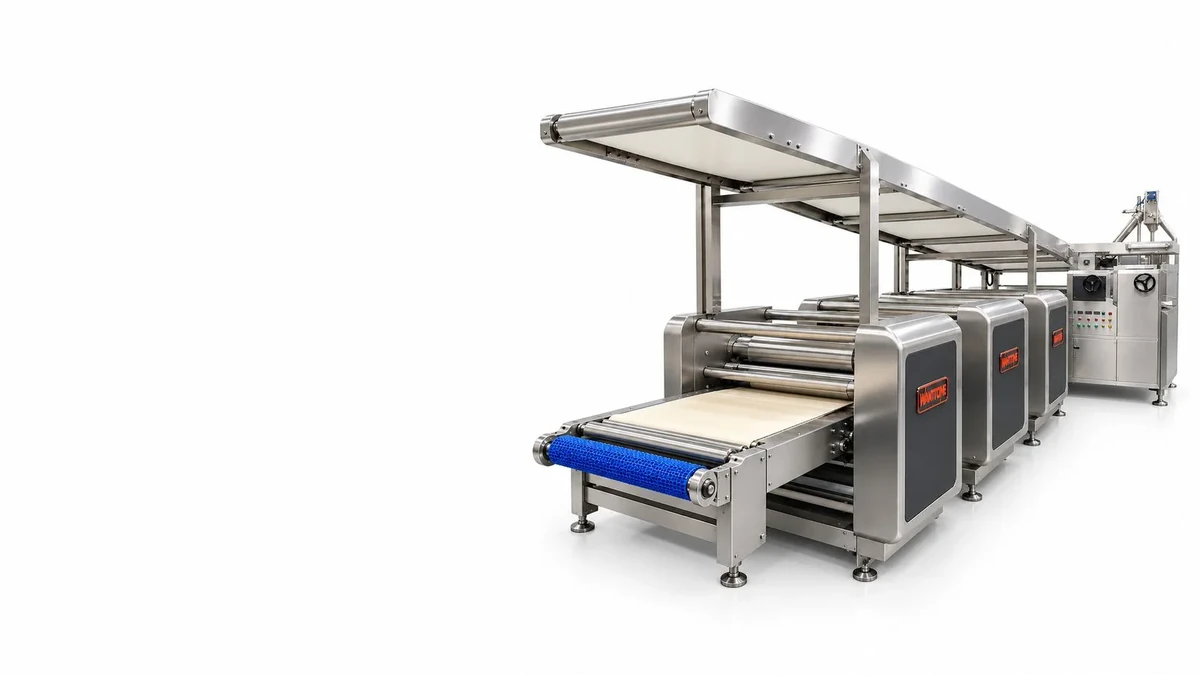
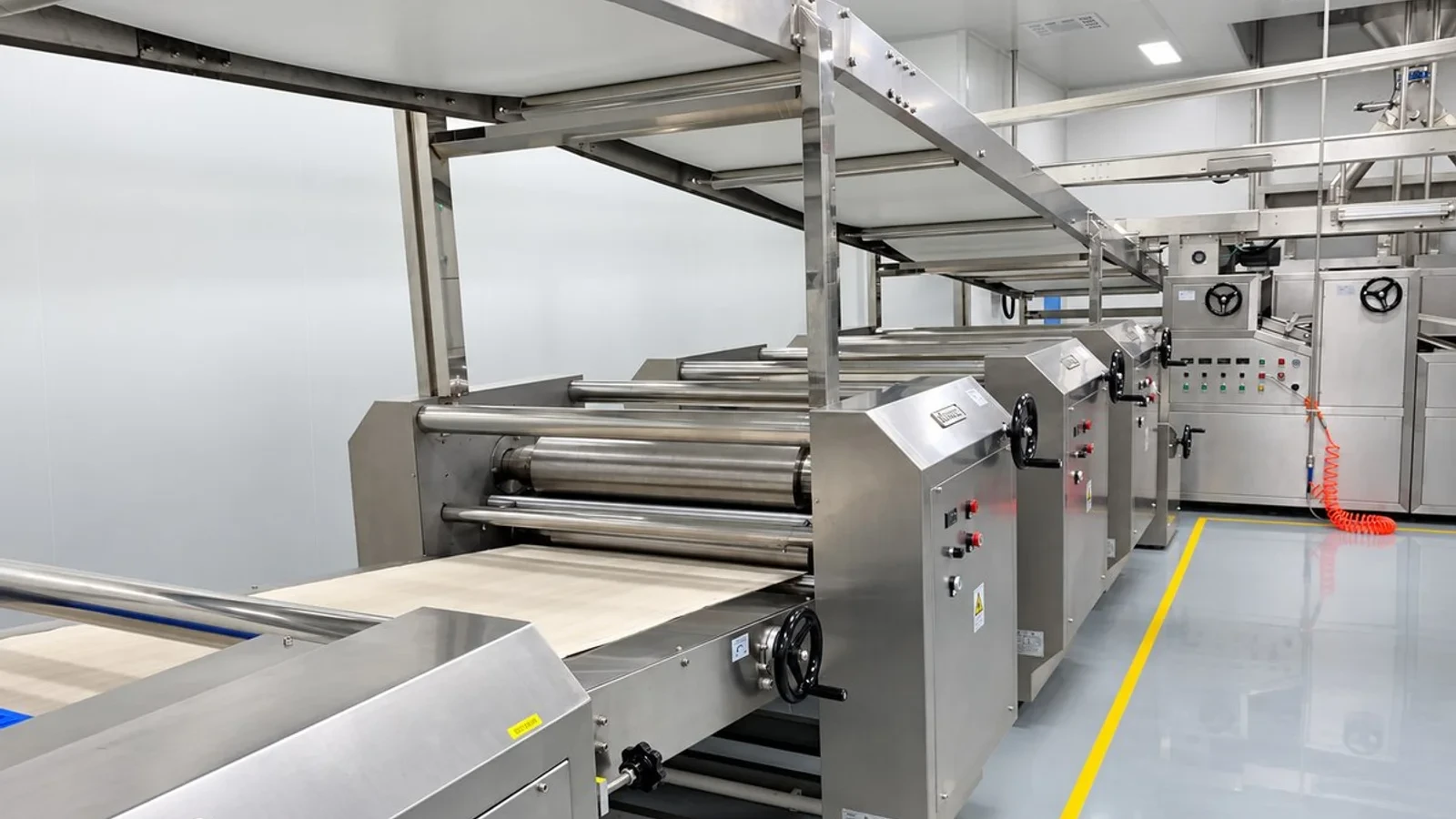
Wanttone's soft and hard biscuit line identifies PLC and touchscreen controls and optional remote monitoring. It also lists different forming routes according to dough type. That statement alone does not establish the automatic boundary of any proposal. Ask which devices are controlled together and whether the equipment supplier can demonstrate the selected recipe on the proposed sequence.
How Can Buyers Measure Readiness for the Next Automation Phase?
Start by measuring how often a transfer can complete without unplanned assistance. Define the eligible jobs and conditions in advance. A trial can include a planned manual action such as changing a film reel, while keeping an unplanned effort to realign each stream separate. A batch can complete within the connected scope only if all mandatory handoffs finish as intended. Log a separate reason for each batch that requires an approved manual fallback, including material, product geometry, available staff or a local transfer fault.
| Product family | Eligible batches | Batches completing without fallback | Scope question |
|---|---|---|---|
| Plain moulded biscuits | 14 | 13 | Confirm reason for one assisted transfer |
| Thin sheeted biscuits | 8 | 5 | Investigate spacing after cooling |
| Total test scope | 22 | 18 | 81.8% of scheduled eligible batches |
| If thin format is temporarily excluded | 14 | 13 | 92.9% covers plain products only |
If the hypothetical project requires at least 90% of eligible batches to complete without fallback, the combined scope needs further work. Qualified plain products could advance to the next phase if the factory also confirms their release and safety requirements. Select the same eligible conditions before and after adjustments. A limited result cannot justify an automatic claim for the whole range. Compare first and second shifts where work patterns differ, and measure actual accepted output alongside the batch count.
Add a duration measure to the batch count. The plain product can be a long run and the thin biscuit a sequence of short jobs. Hours of useful automatic operation tell the planning team whether qualified jobs cover the busiest demand period. Ask the team to identify where fallback was frequent even when it involved a small part of total time. Decide before the next trial whether the change is meant to remove a recurrent short intervention or enable a larger share of the order book. The two objectives need different acceptance evidence and can justify moving forward at different points.
Which Transfers Must Be Stable Before the Upgrade?
Confirm the handover behavior most likely to cause the whole line to stop. Raw dough can arrive under different temperature or consistency depending on preparation. Cooling transfers can produce chipped pieces or unstable spacing before packing. A stop-and-start rhythm can look acceptable while an operator is manually straightening products. Observe a representative run on the intended biscuit shape and dough, then agree a measurable tolerance on the arrangement at the next station.
For example, record whether the oven infeed receives evenly placed raw pieces when the former starts, runs and pauses. Measure downstream cooling and product presentation at the wrapper. The automatic feeding, stacking and packing line provides a relevant scope reference for linked product arrangement and wrapping. Ask the integrator to demonstrate which machine can pause to protect the filled or cooled product.
Write a separate acceptance case for failed or interrupted flows, with qualified test personnel and approved procedures. Show where product will be allowed to accumulate, when the upstream module stops and how good production is distinguished from held product once flow resumes. Agree how routine fault messages and spare-part identifiers are presented to the staff expected to use them.
How Can a Factory Stage the Move to Full Automation?
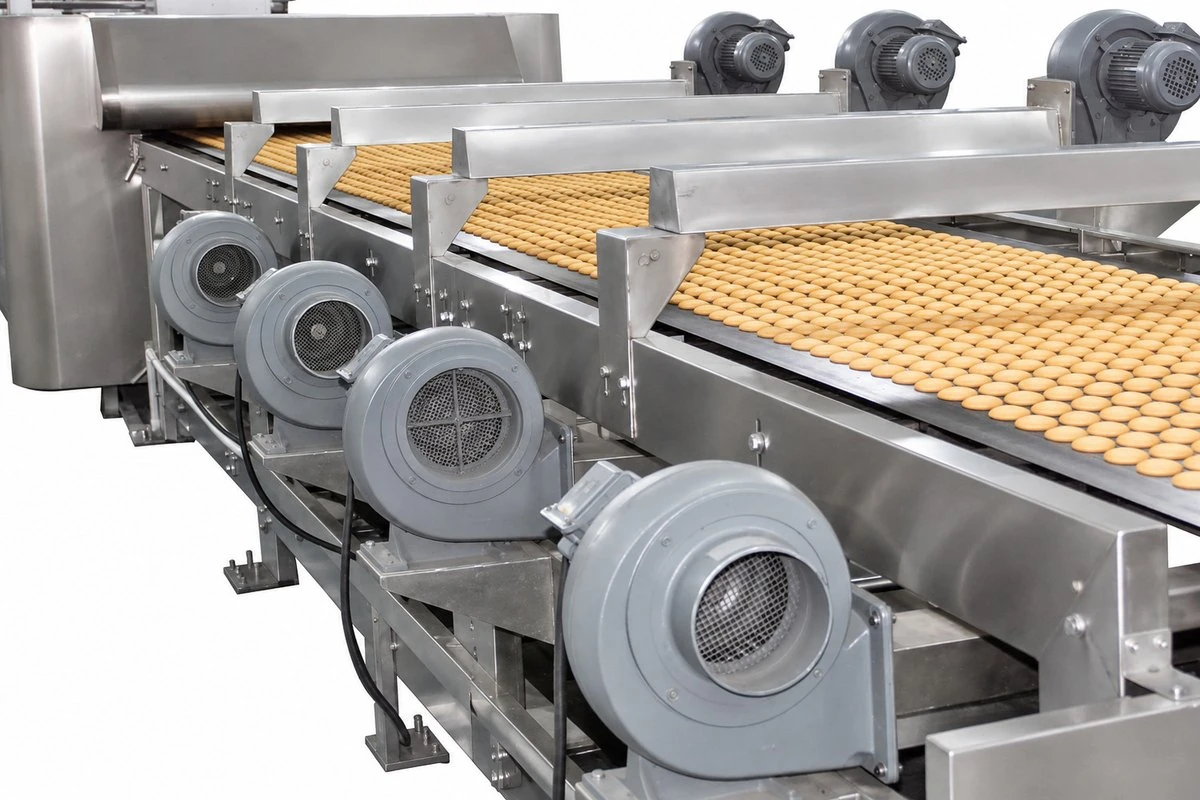
Start with the transfer that regularly consumes skilled time or creates breakage. The factory can trial a compact improvement in that segment and retain its other machines. A later phase can connect controls and add recipe handling once the line can safely share permissive signals. A staged purchase still needs a plan for the final interfaces so the first addition will not have to come out before the second can work.
| Phase | Factory action | Evidence required for the next phase |
|---|---|---|
| Baseline | Time tasks and reconcile good output | Demonstrated recurring transfer or scheduling problem |
| First connection | Connect one confirmed unstable handoff | Stable quality and repeatable operating improvement |
| Controlled integration | Connect selected upstream and downstream groups | Agreed stop and restart behavior with real materials |
| Integrated operation | Run planned automatic scope over representative shifts | Approved output, staffing, changes and quality |
Identify mechanical access, power, control wiring and availability for the milestone at which each retained machine connects. Keep the order of work visible to the production scheduler. If a legacy station has no supported interfaces or a guarding issue, have the integrator and qualified factory team assess it before choosing retention. A replacement project can be simpler to verify where the existing interfaces require extensive separate work.
Give every phase a usable operating state before the next one begins. For an automatic conveyor added between independently controlled machines, document the approved response to an upstream or downstream stop in the interim state. Train the crew and collect another set of good-output and stop data. If the additional module changes cleaning or setup time, recalculate the next phase against the new baseline. Otherwise the same manual task can be counted twice as a benefit of two purchases.
What Should an Acceptance Test Prove About Automation?
Test the product range, not an empty conveyor. Agree the main biscuit and packaging formats to run, the input material limits, how many staff will work and which interventions will be recorded. Define interval and number of shifts in the scope. Where product change is a purchase motivation, record the full stop from last stable release to first stable pack for the next run. Note testing done at the supplier before transport and behavior that can be proven only at the installed site.
Map actual staff responsibility during a real run. If a temporary vendor technician manually clears repeated interruptions, there is no evidence that ordinary staffing can sustain the trial conditions. Repeat with the trained factory team and record who did each recovery. Check food release, storage of recipes and machine settings, and operator support for cleaning. Use accepted packed output per elapsed hour and daily labor hours as distinct performance measures.
Include a support and recovery package in the acceptance scope. Require final drawings, a validated backup where applicable and instructions for how to get suitable spares. Specify which training must occur before independent operation and who evaluates competence. See Wanttone quality information before proposing a factory and site acceptance sequence.
How Should Buyers in Key Markets Scope a Biscuit Automation Project?
Recorded WITS imports under HS 190530 combine sweet biscuits, waffles and wafers. The figures in the market notes are 2024 category context and do not quantify demand for automation equipment.
United States fully automatic cookie line
US imports were about 843,029 tonnes in the combined category. A commercial cookie producer in Pennsylvania supplying steady retail orders can compare a connected path with a semi-automatic one by running approved cookies and film at the intended rate. Measure the shift staffing for managing product changes and replenishment. Reading Bakery Systems publishes biscuit and cookie process systems. Compare its and Wanttone's proposed boundaries for changes and downstream transfers.
United Kingdom biscuit line automation upgrade
The UK recorded about 255,677 tonnes of combined imports. A Midlands bakery with changing private label pack programs should calculate the operator time needed to switch materials and verify labels. Ask whether the automation allows a realistic product sequence without excessive lost time. Baker Perkins provides biscuit process support. Ask suppliers how they use the buyer's ingredients and production pack formats to validate the change.
Saudi Arabia automatic biscuit production
Saudi Arabia recorded about 112,963 tonnes of product imports in this broad category. A Riyadh-area manufacturer can test labor and output against its year-round order slate and exercise one seasonal product change. Ask for instructions and training suited to the team that will run the line. Record the utilities and conditions expected at the site when demonstrating continuous packing, and name local responsibility for the retained equipment.
Nigeria biscuit factory automation investment
Nigeria recorded about 6,715 tonnes in the combined category. A Lagos or Ogun plant can evaluate one consistent product with the packaging and power arrangements it actually uses. Standardize staffing records and make available approved recovery procedures if interruption is common. When purchasing a staged upgrade, check the site support and spare parts needed to keep the new transfer working with an older line.
China fully automatic biscuit line manufacturer
Consider Wanttone of Yangjiang, Guangdong, for combined production equipment and an integration review. Describe which current machines can be retained and which product and packaging changes are required. Ask for a scope diagram, separate staffing assumptions, controls interfaces and running trial with accepted output. Agree with the company's project team who will verify the connection to the factory's existing utilities and machines.
Why Discuss an Automation Upgrade With Wanttone?
Wanttone's company profile describes the company's machinery activity and own biscuit factory. Its offering includes forming equipment, baking and product handling. A buyer can prepare a request for a single transfer or a connected solution from the complete line category. Compare those scopes against the same labor observations and actual product assortment.
Send the project team a sequence drawing, a schedule, details of present equipment, accepted shift output and the required automatic boundary. Discuss the staff who will operate and support the system after commissioning and describe what each continues to do. Ask the proposal to state the products, line events and acceptance measurements covered by the equipment trial.
FAQ: What Else Should Buyers Ask About a Fully Automatic Biscuit Line?
Does a fully automatic line operate without people?
Operating scope varies. Account for ingredients, inspection, changes, cleaning, approved fault recovery and maintenance even where product handling is automated.
Can I keep the existing oven or wrapper?
It may be possible if the equipment can match product flow and safely share controls. Review the approved speeds, conveyor positions and stop and restart sequence.
What is the best first upgrade for a semi-automatic line?
Identify a recurring manual handoff with a measured effect on quality, labor or deliveries. Prove an improved transfer before making it part of a larger automated scope.
How do I compare labor between the two options?
Track person-hours at the same output and product mix. Include technical, cleaning and inspection work that the automated line still requires.
What should an equipment supplier show in a trial?
Require acceptable product, sustained output, actual interventions and a representative format change. Verify the behavior of the connected machines in the installed factory.

Wanttone Engineering Team
Wanttone’s engineering and project teams prepare practical guidance on biscuit machinery, production-line planning and factory requirements.