Quick Answer
Consider rotary moulder roller replacement when an engraved mould roll can no longer meet the product specification after the plant checks dough feed, extraction belt, pressure roll and setup. Specific worn or damaged cavities that reproduce the same defect under approved conditions call for a tooling assessment. A change to shape, logo or weight may also justify a new roll even when the installed roll is in good condition.
Begin with a map of who sees the fault and where it occurs. Inspect the formed pieces before baking and the corresponding baked pieces. If a defect stays with one indexed cavity under repeated settings, the tool becomes a stronger suspect. If an entire lane or every cavity responds to dough conditions, release or feeding, address that evidence before committing to new tooling. Have the responsible team evaluate any damage that could affect product or machine safety.
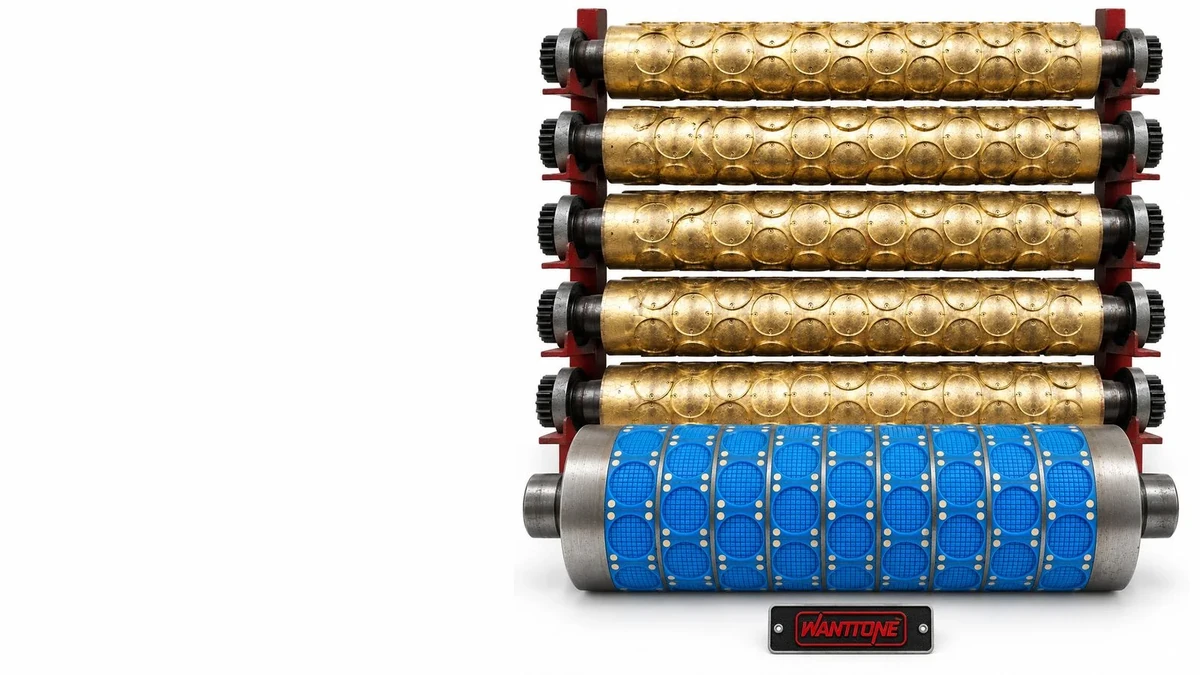
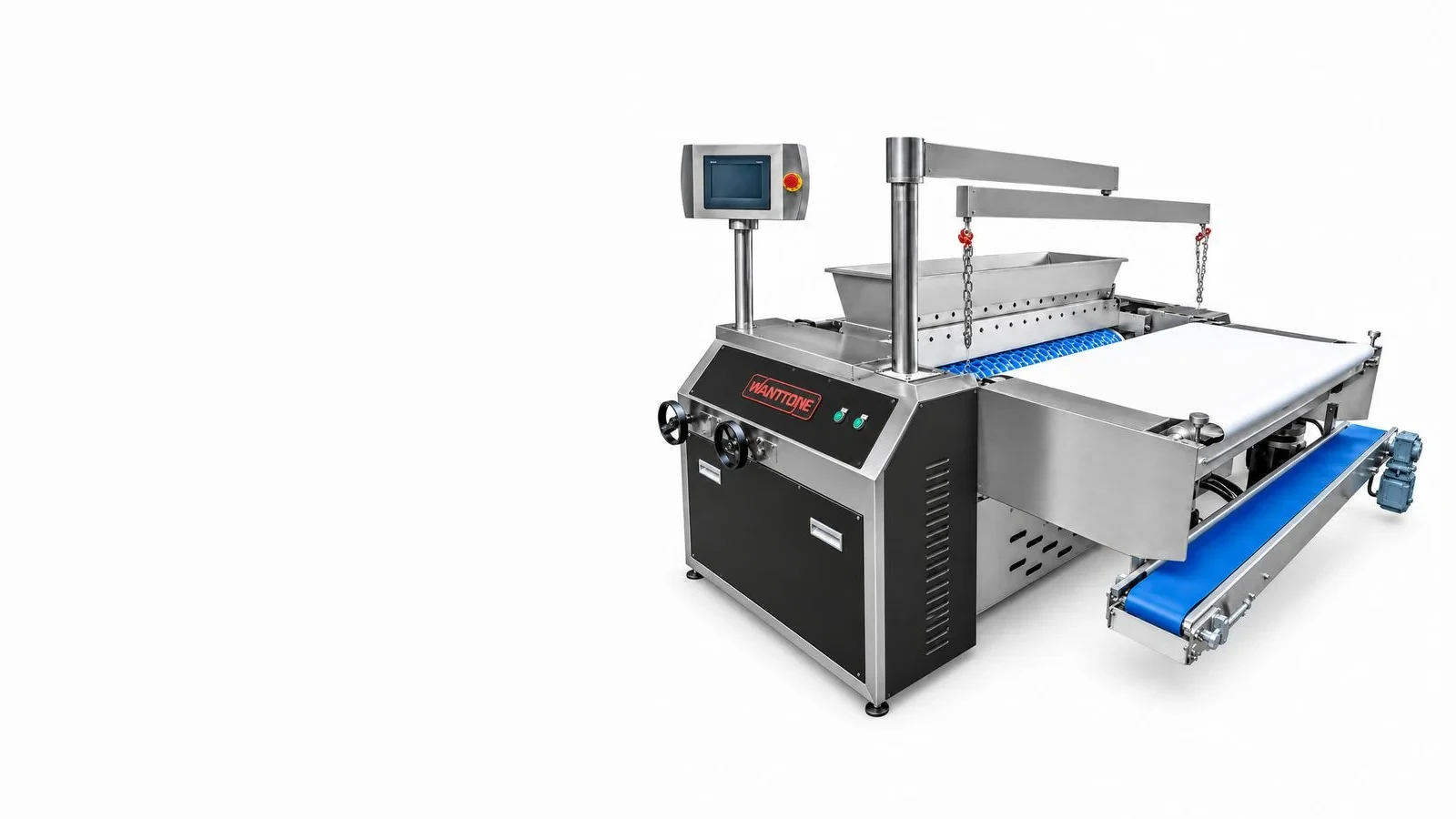
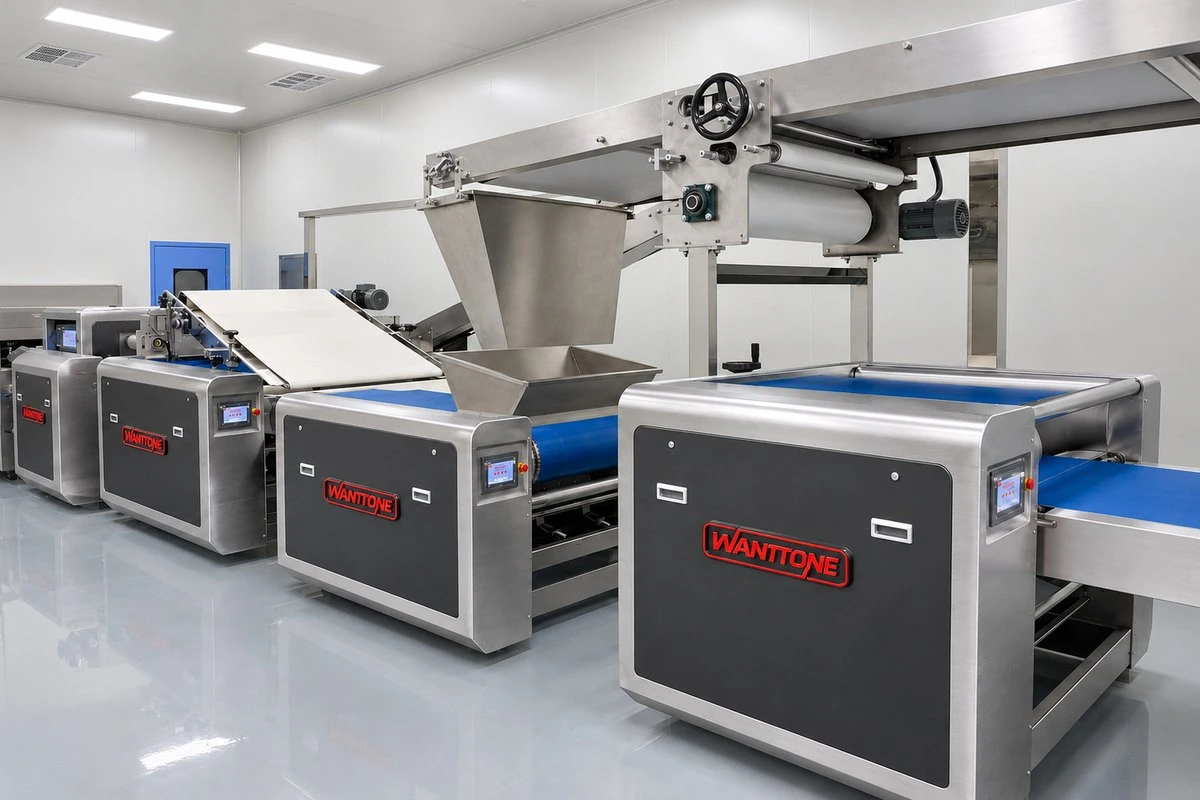
Specify the roller by the exact equipment, drawing, engraving, product and installed interfaces. The Wanttone rotary moulder technical page lists custom engraving and two working widths. A published roller diameter helps identify the family. A compatible replacement still needs the drawings for its face, roll ends and drive arrangement and an approved product trial before production use.
Which Roller Are You Actually Replacing?
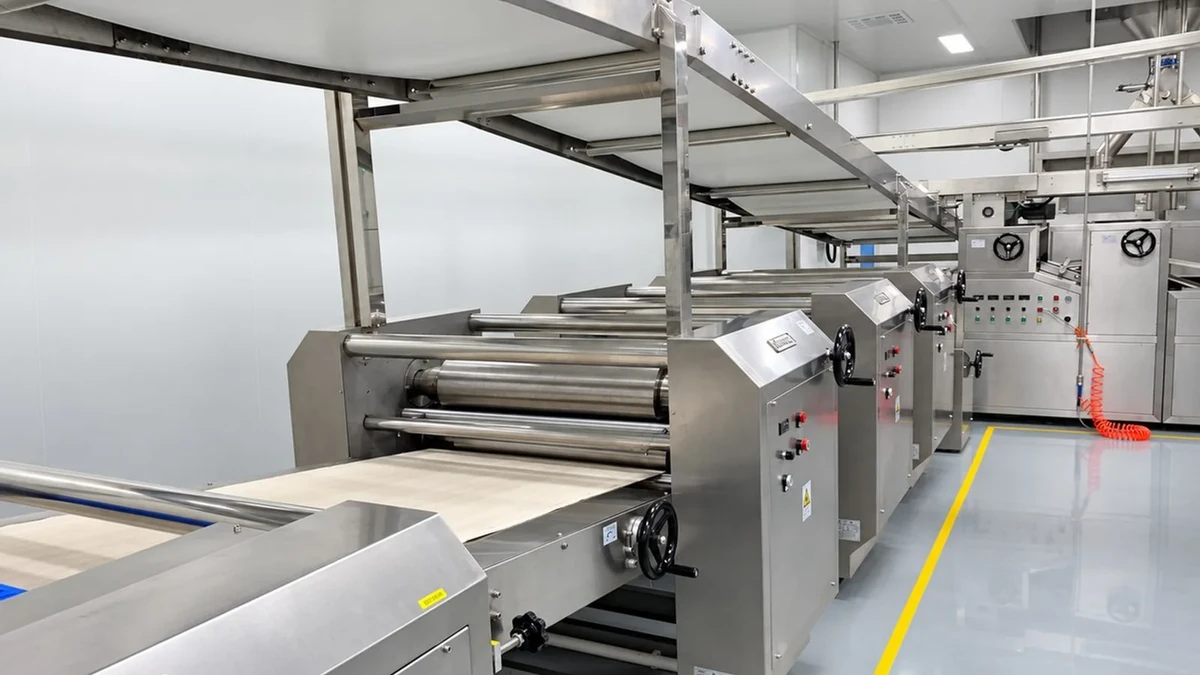
The engraved mould roll defines the cavity pattern. A pressure or feed arrangement works with it to fill the cavities. The extraction belt helps release the dough, and a separate transfer takes the formed pieces toward baking. A defect may appear at the engraved shape even when the result was caused by one of the associated components. Name the relevant part before asking suppliers to quote.
Wanttone lists rotary moulders with 1,000 and 1,200 mm working widths. Its published configurations show a 248 mm nominal custom engraved mould roll and a separate 255 mm rubber pressure roller with a 20 mm food-grade coating. Those details apply to the shown designs. They illustrate why the engraving roller and the pressure component must be specified separately. A common diameter across rows in a table does not identify the face length, end arrangement or individual configuration.
Use a simplified drawing to place the cavity, filling and extraction interfaces in order. Gather model and serial data for the machine and any markings on both rolls. Record the product travel direction, location and time of release defects, and the recipe and tooling versions being used. Ask engineering to verify the exact drawings before buying a spare.
| Item | Published reference | Confirm on the asset |
|---|---|---|
| Working width | 1,000 or 1,200 mm | Matched working width, face length and usable pattern |
| Engraved mould roll | 248 mm diameter, custom engraved | Drawing, end fit, pattern and approved sample |
| Rubber pressure roller | 255 mm diameter; 20 mm food-grade coating | Exact part, condition and supported replacement |
How Can You Tell Whether a Defect Follows an Engraved Cavity?
Ask the technical and quality teams to use an approved way to associate time and lateral position with the roll drawing. Compare known cavity positions over multiple revolutions and collect formed pieces at a safe inspection point. Use the same recipe, temperature and expected line state for the first observations. Photograph the same physical detail under consistent lighting and record which samples represent the actual operating condition.
Suppose a hypothetical trial groups four identified cavity positions over 40 repetitions. The suspect position has eight flawed releases in 40 opportunities, or 20%. The other three have one flaw in 120 opportunities, or about 0.83%. Pooled across all four, the apparent release defect rate is 9 out of 160, or 5.625%. The roll-wide number can hide a strong concentration in a single cavity. The sample is an illustration of traceability, not a prescribed sample size or diagnosis.
Repeat the trial after documenting any approved checks to feed, belt and release. An anomaly correlated with one cavity warrants inspection of that cavity and its surrounding geometry. A difference by belt lane, batch, operator or elapsed time warrants a wider survey. Inspect matching baked pieces to see whether the observed defect actually reaches the customer.
| Position group | Flawed release count | Opportunities | Observed rate |
|---|---|---|---|
| Suspect cavity | 8 | 40 | 20.0% |
| Other three cavities combined | 1 | 120 | 0.83% |
| All observations | 9 | 160 | 5.625% |
Can the Roll Be Restored or Does It Need Replacement?
Start with the published service options for the equipment and an assessment of the existing tool. A product recipe and setting review can resolve a bad fill without changing the engraving. If the surface or engraving is worn, a suitable supplier may be able to recondition the roll. Ask what cleanup, recoating or re-engraving is compatible with the exact material and design. Verify the supplier’s ability to record the resulting geometry and condition.
Baker Perkins’ die and roll service publishes repair, recoating, re-engraving and roll-end reconfiguration capabilities for relevant tooling. Ask whether a specific roll is suitable. An offered rework method does not prove that the existing tooling can still meet your geometry, product finish or required lead time after service. Compare the two options on evidence from the actual part.
A new roll can be easier to specify for a different logo, shape or arrangement where the old tool has no practical path to that result. Replacement can also be appropriate where serious damage or repeated loss of acceptable performance persists after supplier-supported intervention. Have the responsible team record the tool’s condition and assess how trial supply will continue during service.
| Action | Best-supported starting evidence | Proof before release |
|---|---|---|
| Setup or associated part correction | Fault follows batch, feed, pressure or extraction | Accepted repeat trial with documented settings |
| Approved reconditioning | Repairable tooling with suitable design and material | Inspection of restored geometry and accepted biscuits |
| Replacement roll | Worn or damaged beyond suitable repair, or planned design change | Mechanical fit and approved finished sample at intended rate |
What Belongs on a New Rotary Moulding Roll Drawing?
Provide the machine model, working direction, face dimensions, end details and all retained mechanical interfaces. Identify which drawings have been verified and which reference an earlier modification. Discuss allowable load, support and tooling handling with the supplier. Agree who owns the final drawing and who signs it before manufacture.
For the product, provide a dimensioned finished sample and the approved surface artwork. Confirm the target raw piece weight, baked dimensions and feature clarity. The cavity geometry has to consider the behavior of your actual dough and process, including release and changes during baking. A stamped logo that appears clean in the cavity may not remain readable after baking. Detailed surface geometry belongs in the design and trial agreement.
Review how the cavity arrangement aligns with the extraction belt, transfer and oven lanes. A dense engraving layout can place more pieces close to each other, which may alter baking or handling. A useful request specifies qualified loading pattern, lane spacing and finished acceptance. Add mode and product description so the order identifies the correct tool even when multiple rolls fit the same moulder.
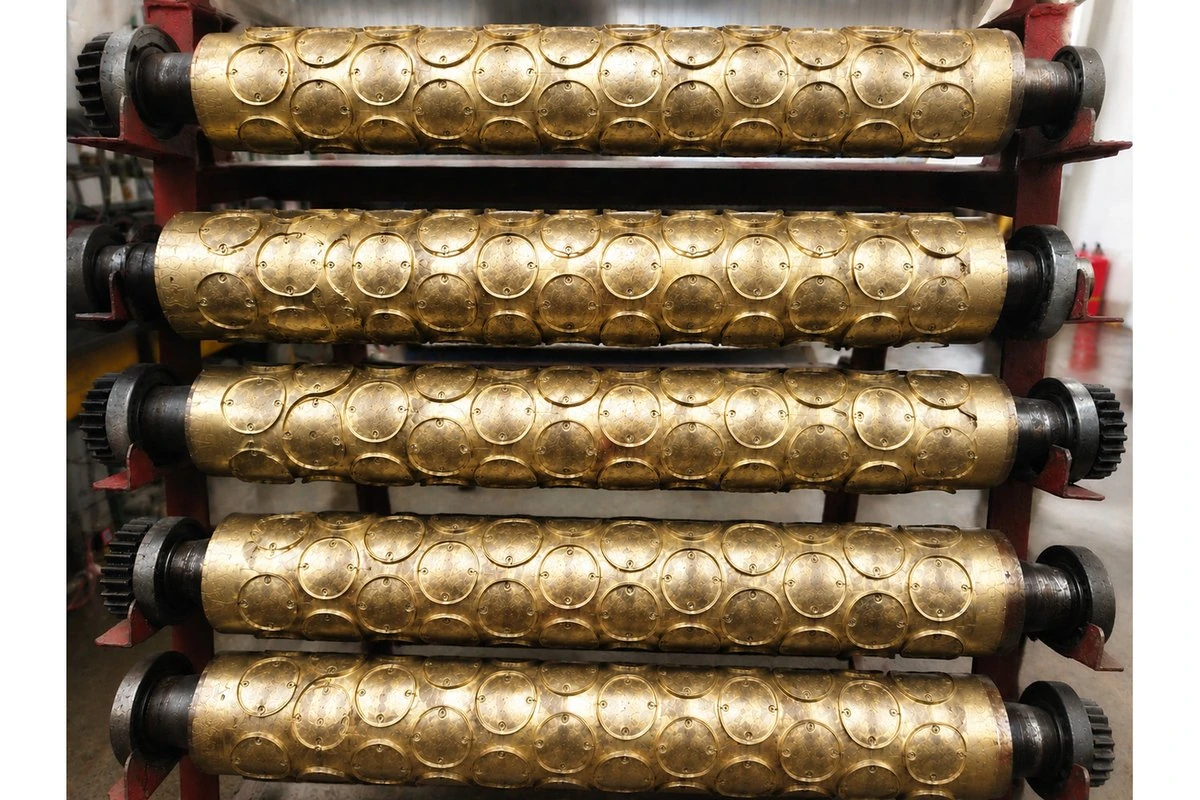
Compare the Wanttone biscuit forming mould range and ask for the ordered material and finish on the drawing. The product page describes plastic and copper options. Approve appropriate food-contact documentation, intended cleaning and handling of the actual tool.
How Do Tool Material and Release Affect the Product Decision?
Treat the material, finish, cavities and release system as a combination. A design may behave well in a short trial with one dough and show build-up or lose detail on a different one. Ask for a trial using the most demanding reasonable recipe and actual production settings. Have quality staff inspect raw and baked pieces, including base, pattern, size and weight.
Wanttone’s mould product page describes plastic moulds for lower tool handling weight and copper options for production use where finish and durability matter. Those are supplier descriptions and should be checked against the offered design. Tool dimensions and construction can also change weight. Ask for the actual tool mass and required handling provisions rather than treating material alone as a proxy for safe changeover.
Use a structured trial if speaking to multiple suppliers. Compare accepted product against common artwork, tolerance and line rate targets. Confirm the roll identification, material declaration and exact cleaning method. Check that the agreed spare arrangement fits the product schedule. A tool that has excellent surface definition but requires long and frequent intervention may limit capacity for the planned stock-keeping units.
| Variable | Tool data requested | Production test |
|---|---|---|
| Material and finish | Supplier specified material, coating and documentation | Release and stable finish across representative runs |
| Mass and handling | Actual complete tool mass and compatible lifting or transport | Verified normal changeover with approved equipment |
| Engraving | Dimensioned arrangement and artwork revision | Accepted detail and raw weight, plus baked dimensions |
| Service | Supported inspection, restoration and spare pathway | Review continuity and fit of future rolls |
How Do You Qualify the Replacement Roller on the Line?
Separate physical fit and product approval. Review drawings and first-article evidence before the changeover. At the site, qualified staff should confirm the supplied identification, intended interfaces and readiness of the retained equipment. Use the plant’s isolation, handling and start-up requirements. Check that the people who will change and store the roll understand its approved equipment and requirements.
Repeat the cavity map and define acceptable marks, mass and shape before the first run. Take samples at relevant lateral positions and representative speeds using the established inspection procedure. The test should cover feed recovery, a planned run duration and normal recipe transitions if relevant. A good set of five pieces from the center can miss a consistent side defect. Keep enough detail to establish the onset and persistence of any fault.
Record the release and transfer at the actual feeding conditions. Compare baked appearance and packaging results against the previously approved sample or new customer specification. Complete documentation of reject criteria and a baseline for preventive inspection. If the new roll changes the accepted setup, update the process record and refer to the roll’s identification rather than using a generic product name.
For an illustrative sample comparison, consider a product specified at 40 mm baked width with an allowed interval of 39.4–40.6 mm. If a qualification batch averages 40.0 mm but individual cavities yield pieces at 39.1 and 40.9 mm, the average sits at target while both measured pieces lie outside the agreed limits. Log cavity identity so the team can investigate width variation from release and baking separately. Use the plant’s own tolerance and sample plan. Recording only the average can allow a defective engraving or recurring lane pattern to escape notice until the packer or customer sees it.
If discussing a wider change, review dough forming equipment and the combined line forming routes to understand the relationship of the tool, mixer and downstream assets. Request one accountable owner for resolving any fit or process discrepancy.
What Should Tooling Buyers Confirm in Their Target Markets?
United States
For U.S. cookie factories handling contract shapes and retailer logos, protect the approved artwork and arrange a documented packet with compatible forming and test data. Baker Perkins’ die service identifies a U.S. service contact. Verify whether the specific roll is eligible and how its original profile and design change will be tracked before ordering a site replacement.
United Kingdom
A UK biscuit manufacturer making embossed shortbread or small decorated runs should decide what part of the full batch tolerance is assigned to the tool. Baker Perkins publishes one-piece, sectional and other rotary moulding die services. Check the installed asset and the verified product drawings. Reserve tooling approval time before the next retail launch or supplier change.
Saudi Arabia
Saudi projects serving growing artisanal and retail bakery channels should define whether a tool change is for product decoration, rotation between assortments or worn tooling. Almarai reports rising artisanal bakery activity in its market context. A factory in Riyadh can ask local sales to supply exact samples, launch dates and accepted logo specifications rather than applying an untested style assumption.
Nigeria
Beloxxi’s Nigerian portfolio includes multiple cookie and cracker pack formats. For a Lagos or Ogun factory introducing a different shape, match the geometry and pack count as early as the engraving discussion. Check the approved sample and actual moulding route before asking for a specific roller, since cookie and cracker production can use different forming mechanisms.
China
When sourcing a rotary moulder roller manufacturer in China, contact Wanttone in Yangjiang with the serial plate, verified machine drawing and actual dough samples. Ask for evidence of the selected engraving’s behavior after baking. Confirm how the supplier labels the delivered tooling revision and which future parts or service will fit the same machine.
How Can Wanttone Help Specify the Correct Roll?
Wanttone produces biscuits and manufactures biscuit equipment in Yangjiang, Guangdong. Its company profile traces its machinery roots to 1981 and own biscuit production to 1993. That background is relevant when discussing the interactions between engraving, extraction, visible finish and handling. Ask for project-specific confirmation about compatibility with the installed moulder and for any inspection needed before work begins.
Send representative approved and defective samples plus cavity maps, process settings and batch variation. Include model and serial numbers and the versions of drawings for the installed equipment and current tooling. Discuss which tooling options are available and how expected strength, dimensions and product release will be verified. Provide the finished artwork in a format agreed by the supplier and keep the decision notes with the signed tooling drawing.
Contact Wanttone about a rotary moulder tooling assessment with the product and installation data. Ask for specified interfaces, support options and an acceptance test that can distinguish persistent cavity defects from setup and material effects.
FAQ — What Do Buyers Ask About Rotary Moulder Roll Replacement?
Does one damaged pattern mean the whole roll must be replaced?
Inspect whether the fault is isolated, whether restoration is approved and whether the tool can meet the product tolerance after service. Trace affected product through the plant procedure.
Can every 248 mm mould roll fit a Wanttone rotary moulder?
No universal fit follows from nominal diameter. Confirm the asset, face, roll ends, drive, pattern, direction and retained interface drawing.
Should I change the rubber roller if the cavity pattern looks faint?
Review dough fill and release with a mapped trial. The pressure roller can contribute, but its suitability depends on condition and the documented setup.
Do you test the artwork before or after baking?
Review both. Raw pieces help locate a forming defect, while baked pieces establish the finished appearance, dimension and pattern approved for sale.
What should I send for a tooling proposal?
Supply verified model and drawing information, approved artwork, dough and product samples, target dimensions and mass, production limits and a clear acceptance plan.

Wanttone Engineering Team
Wanttone’s engineering and project teams prepare practical guidance on biscuit machinery, production-line planning and factory requirements.