Quick Answer
Replace a biscuit production line when credible interventions cannot restore the product range, safe operation, support or accepted output needed over the planning period. An old line that produces approved biscuits reliably may be worth keeping. Younger equipment can also be a replacement candidate when it cannot meet a committed product requirement, critical parts cannot be supported, or the site cannot support a compliant upgrade. Decide with a documented assessment of the line’s future role.
Consider the full route from dough preparation to accepted packs. A line can meet its mechanical rate while losing business because it cannot make the agreed shapes, weights or package formats on the planned schedule. A forming station can also be changed while the oven remains viable. Examine refurbishment, a new line installed alongside the old one, and replacement in the existing bay on the same product requirements.
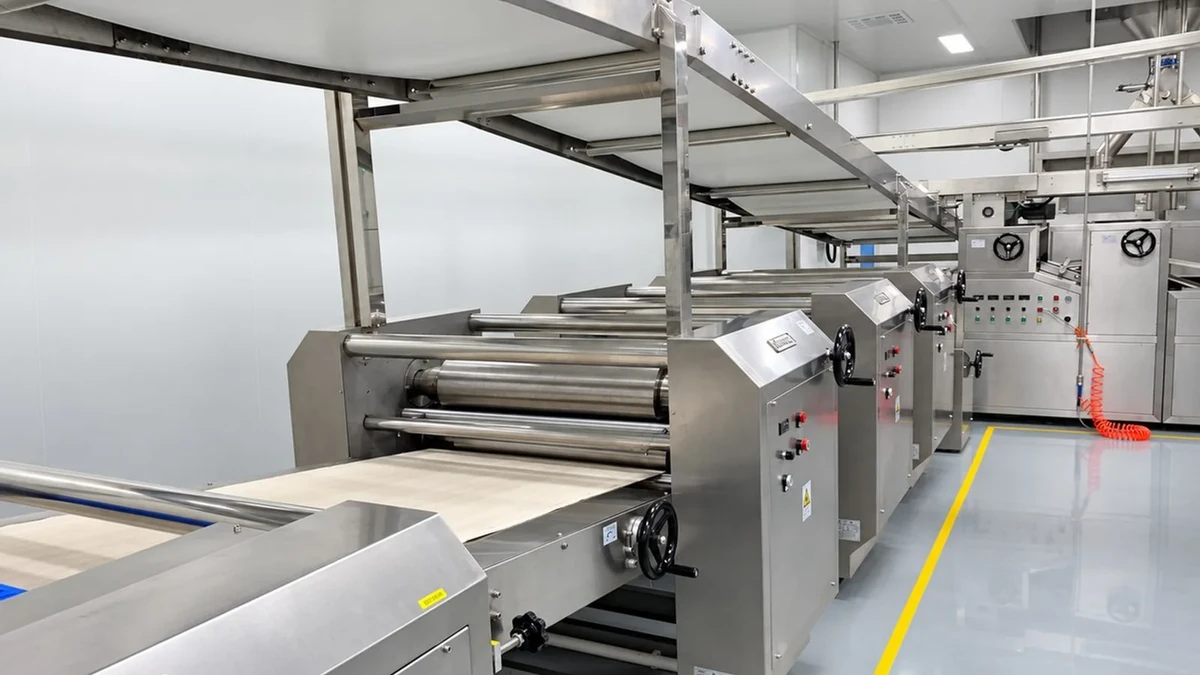
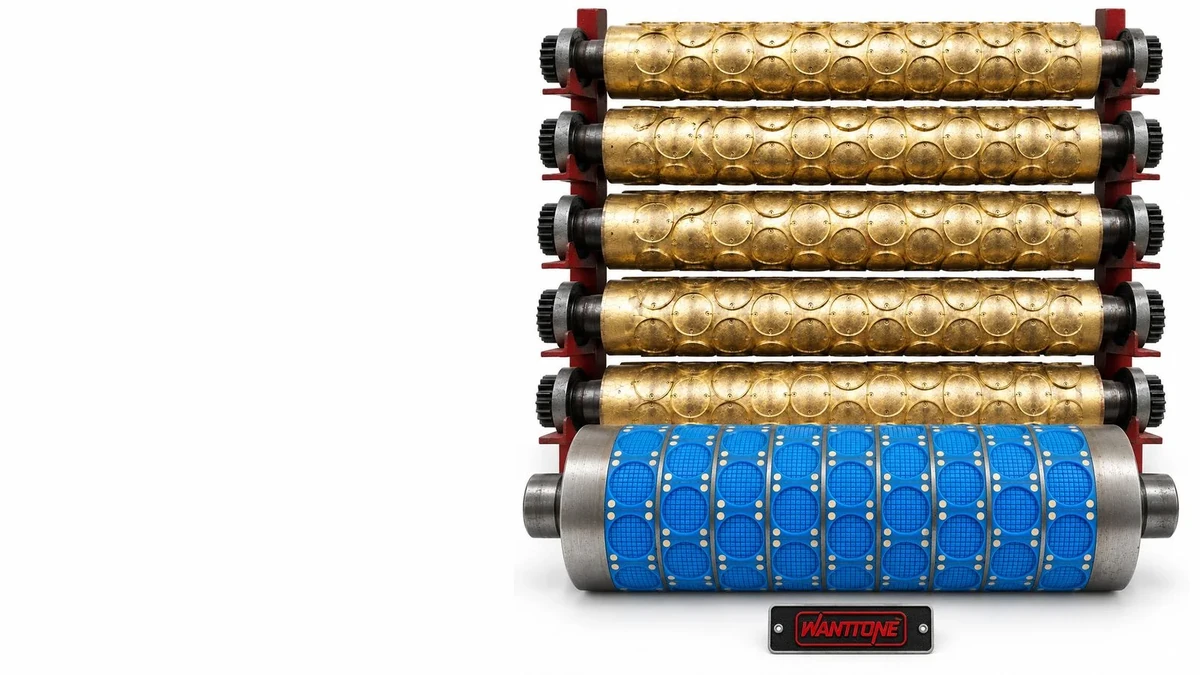
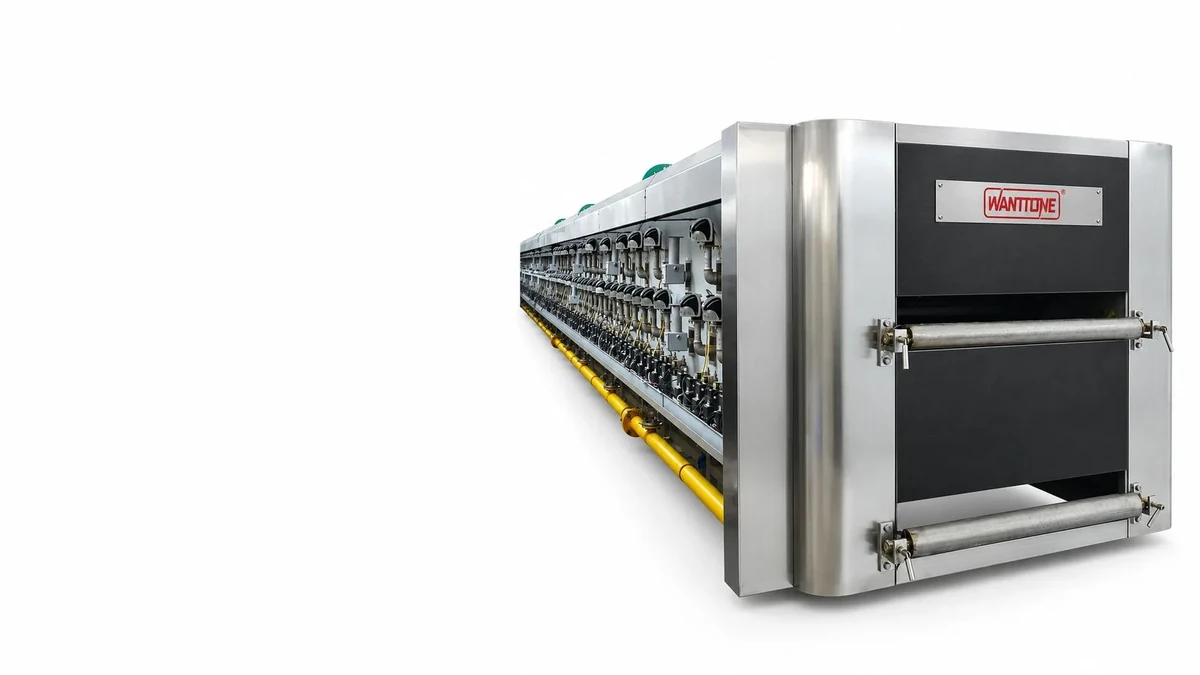
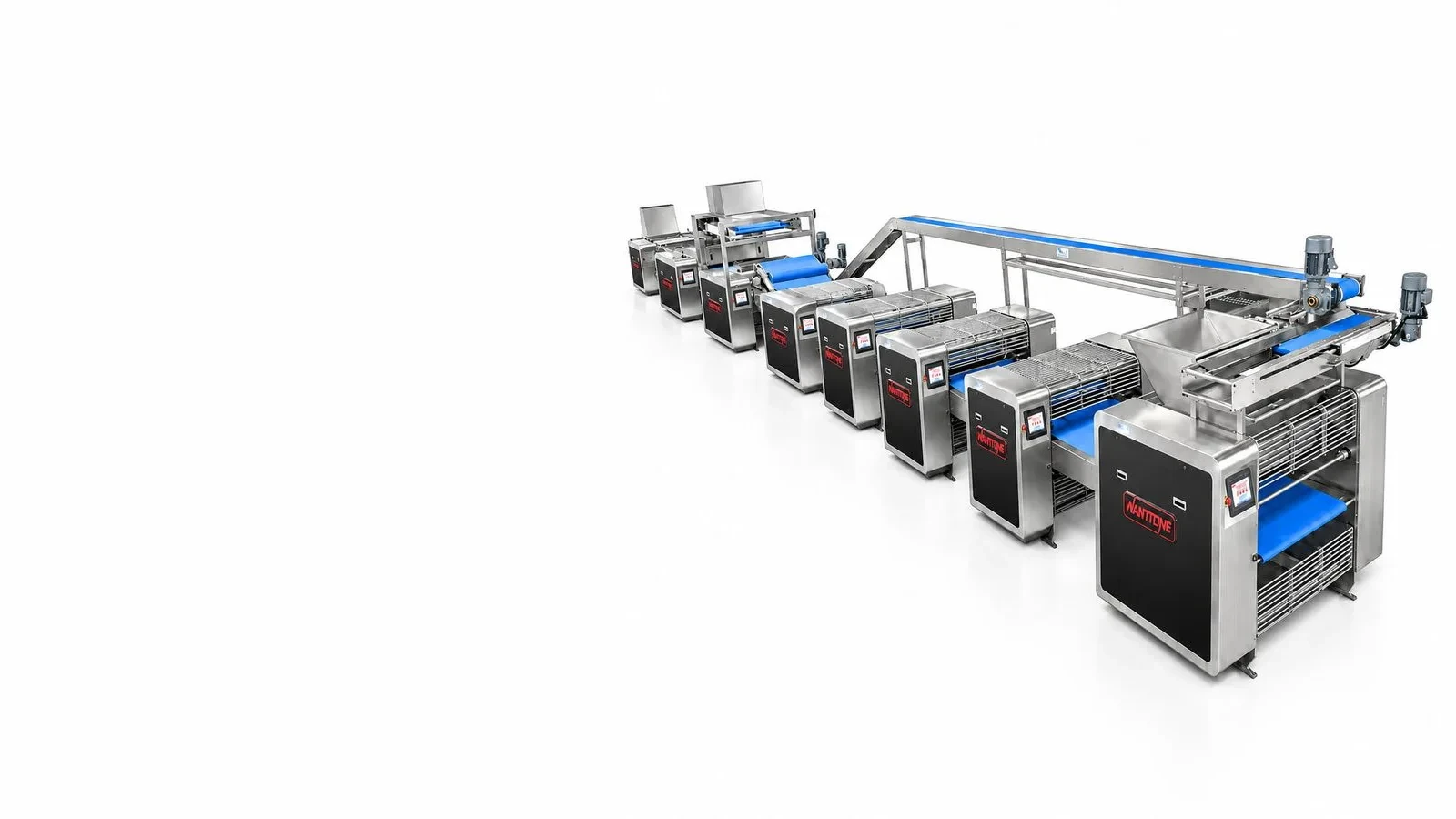
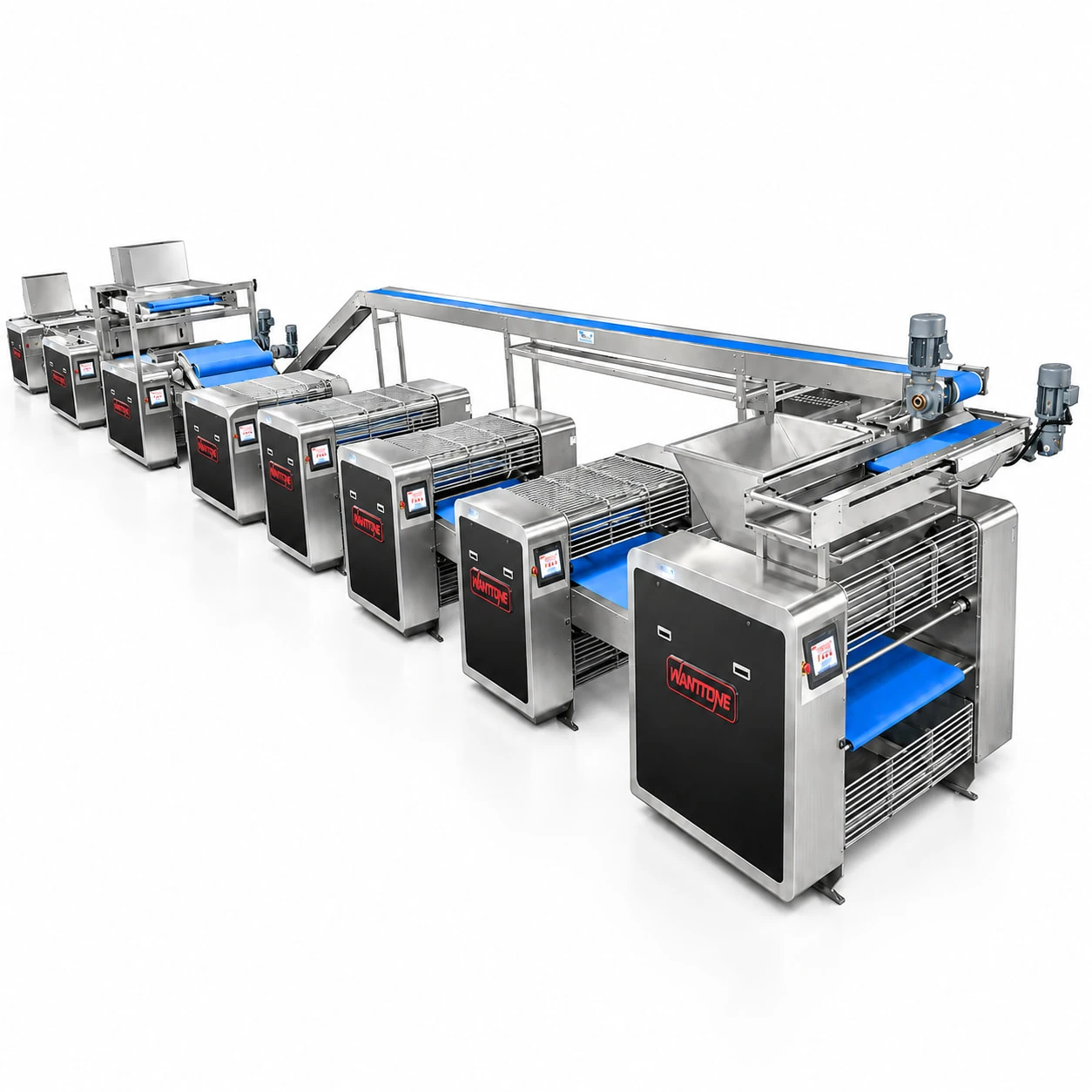
A replacement is a transfer of customer commitments as well as machinery. Identify which products must run on day one, what inventory is actually available during commissioning, and how goods will be released. Start with Wanttone’s complete biscuit production line range to define possible configurations. Then state the assets and utilities that can be reused and those the project will need to provide.
Which Signals Suggest the Line Is Reaching the End of Its Useful Role?
Start with five signals that can be tracked over time: product capability, recurring reliability, spare-part and controls support, site constraints and customer commitments. Give each owner the evidence to assess its severity. A general complaint about lost production is less useful than a repeated record of failed orders and the exact circumstances. Set the product program and planning horizon alongside the loss history to identify which deficits will matter.
Manufacturer support loses value when drawings no longer represent the installed machine or when the specific control hardware has changed. Ask the original or qualified supplier to identify realistic repair pathways, available parts and the capabilities it can support. If a line could meet the required product only after repeated interventions in the highly connected forming, oven and handling stages, compare the complete installation with a single equipment package.
Decisions involving equipment integrity, safety and product release belong to the responsible technical teams. They may create an immediate requirement. Other items can be managed through scheduled maintenance or tooling trials. Do not combine hard constraints with softer commercial preferences in one averaged score.
| Signal | Evidence to review | Replacement question |
|---|---|---|
| Product geometry | Baked dimensions, breakage, accepted pack | Can approved geometry be sustained? |
| Recurring losses | Cause, duration, parts and recovery history | Can the underlying issue be corrected? |
| Support | Exact model, controls backups, parts pathway | Can the asset be supported through the plan? |
| Site fit | Space, capacity, access, approved facility design | Can retained assets serve the new scope? |
| Commercial demand | Signed orders, repeat history, permitted stock | Can the transition preserve deliveries? |
Should You Rebuild the Existing Line or Buy a New One?
First establish a common boundary across alternatives. Compare the same recipes, accepted packed output, trial duration and support requirements. A refurbishment offer may retain the building services, oven shell and cooling path. A new line may quote baking and forming but leave packing or site work for the buyer. Build both scopes into a comparable statement so each is tested against the same obligations.
Rebuilding can reduce disruption when well-understood equipment already matches the desired product. It is especially plausible where working width, heating arrangement and controls have serviceable foundations. Full replacement has a stronger case when several critical interfaces would otherwise be rebuilt, the old line cannot support a committed shape or pack, or the product flow cannot fit the premises.
Wanttone’s soft and hard biscuit line publishes 600–1,800 mm working widths and small versus industrial product-dependent output classes. The hard and soft paths use different forming mechanisms, and customized oven lengths are available. Use the actual selected working width and recipe tests to assess the product portfolio. Those ranges alone cannot be used to decide whether a particular existing line should be retired.
| Question | Rebuild and retain | Replace as a line |
|---|---|---|
| Product capability | Validate with retained width and oven | Specify each committed product and pack |
| Configuration | Survey existing drives, transfers and controls | Approve all new and reused boundaries together |
| Production cover | Plan outage and recovery on current line | Choose parallel or same-bay cutover |
| Lifecycle | Verify remaining support for retained assets | Review new parts list and handover scope |
| Proof | Repeat known products at expected pace | Release all launch products under new conditions |
How Do You Compare Future Orders With Installed Line Capability?
Give each product a demand forecast with committed volumes, timing and confidence. Include changeovers and cleaning periods, because the availability consumed by a short order may exceed its direct running time. Separate products that can share the same validated settings from those that need completely different preparation or tooling. Protect the priority items first.
For example, assume contracted saleable demand of 13.6 tonnes across four production days. An existing line has a measured rate of 500 accepted kg per running hour so it needs 27.2 running hours. An available 32-hour window with six documented hours of scheduled changeovers and cleaning leaves 26 running hours before unplanned losses. The best case on that schedule supplies 13.0 tonnes. The 0.6 tonne gap remains even if every unscheduled loss is removed.
The result suggests a real capacity constraint on the assumed schedule. The first next step is to verify whether shift changes, product sequence or releases can recover at least 1.2 running hours without breaking operating constraints. If they cannot, model the smallest stable capability improvement. For the same 26 available hours, required output before allowing for unplanned disruption is about 523 accepted kg/h. Validate several weeks of order records before basing an investment on this one window.
Confirm where output is measured. A promised oven-exit rate cannot tell you whether a packaging group will deliver 13.6 tonnes. Use a weighed, released product measure and account for the full path. When analysing a dedicated cracker portfolio, the Wanttone cracker and soda biscuit line shows a different process route to compare against a combined line.
Which Existing Assets Could a New Line Retain?
Build a drawing that distinguishes dedicated machinery from common site services. Access, drains, air, electricity, fuel and product transfer may be shared with adjacent lines. Identify which shutdowns affect those neighbors. Record which new assets require a complete service change and when the facility can actually supply it.
Review candidate cooling and packaging assets in terms of their available hours, positional tolerances, flow rates and controllable behavior. A low-cost retained cooler can become a commissioning burden when new oven discharge height or product orientation is incompatible. An older wrapper might still be suitable for the format with dependable feed. Ask its owner to verify the installed components, maintenance backlog and documents before claiming it as a future asset.
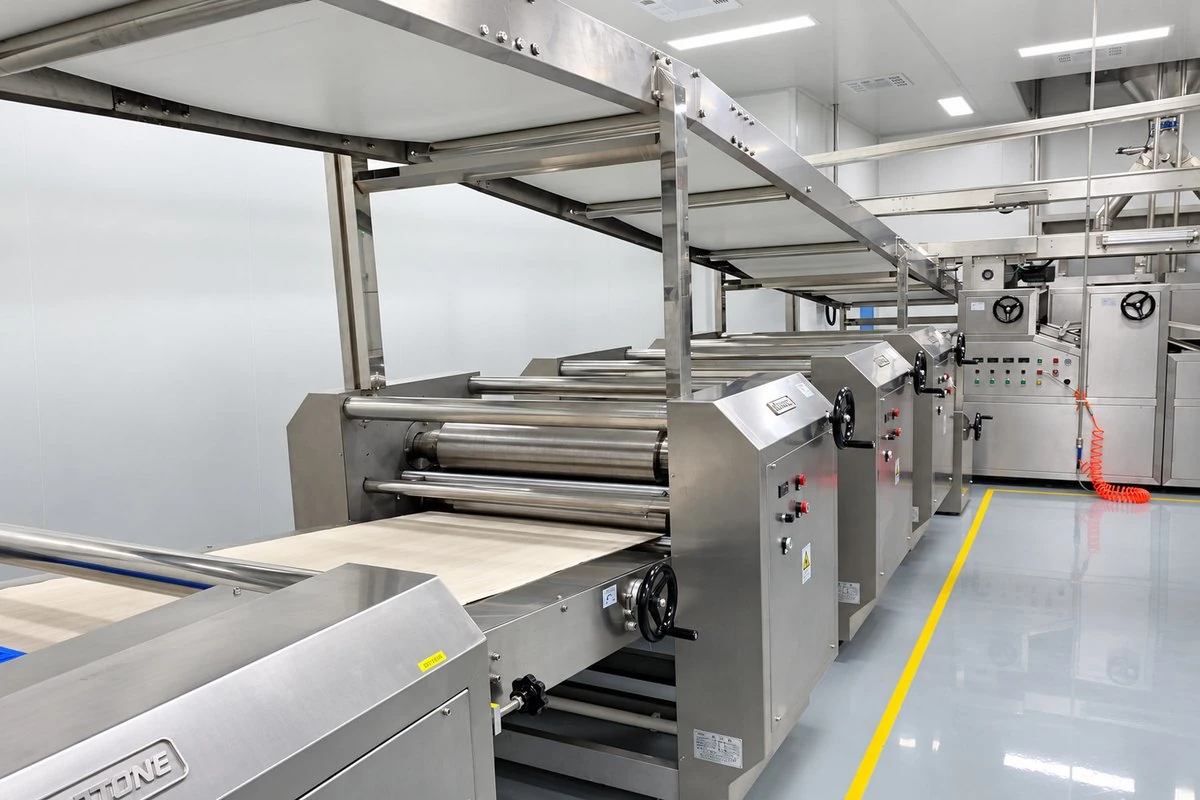
Use the buyer’s utility and layout data to ask the equipment supplier for an installation envelope. Keep access to maintain parts and remove tooling. Document the route for delivery of larger oven sections and every assumption about crane or contractor access. Compare the oven options with utilities and the existing room boundary.
Give each item a release condition. Where a compressor or transformer serves the wider site, the owner should confirm spare capacity against the simultaneous equipment schedule. Where a product transfer is reused, arrange a sample run to establish that the new and old machines work as a pair. Include drawings updated after commissioning or the project will inherit uncertainty about the next tooling job.
How Much Inventory Does the Cutover Need?
A same-bay replacement loses access to the existing machine during removal and installation. A parallel build can preserve more production time, subject to floor area, utilities, funding and an actual transition plan. Compare the two alternatives on daily accepted output and customer shipments. A calendar that shows an oven can be heated does not make the product available before qualification and release.
Use a hypothetical commitment of 2.0 tonnes per day for eight days. If the site stops production completely over the first four days and then releases 0.8, 1.4, 1.8 and 2.0 tonnes on days five through eight, new output totals 6.0 tonnes. The dispatch schedule would need 10.0 tonnes of eligible starting inventory if there is no other supply and the releases are available before each day’s dispatch. At the end of day four it has already consumed 8.0 tonnes of that cover.
In a parallel scenario assume the old line continues releasing 2.0 tonnes for the first six days while the new line qualifies, then the new setup releases 1.8 and 2.0 tonnes. Starting cover for the modeled dispatch timing is 0.2 tonnes. The comparison does not say which alternative has the stronger investment case. Track uncertainty around shelf life, product version, carton and SKU, plus the service or facility changes that can still interrupt both assets.
| Window | Customer commitments | Same-bay release | Parallel release |
|---|---|---|---|
| Days 1–4 | 8.0 t | 0 t | 8.0 t |
| Days 5–6 | 4.0 t | 2.2 t | 4.0 t |
| Days 7–8 | 4.0 t | 3.8 t | 3.8 t |
| Total | 16.0 t | 6.0 t | 15.8 t |
| Initial stock needed | Before allowance for timing losses | 10.0 t | 0.2 t |
How Do You Protect Customers During a Replacement?
Choose a clear sequence for tooling approval, product validation and site acceptance. The manufacturing team owns the process sequence, quality owns release criteria, and logistics owns dispatch timing and stock by product. Each needs a single calendar for trials, scheduled stock production, changeover, installation and ramp-up. The names and criteria should appear in the project schedule.
Have commercial staff define products whose packaging or appearance cannot change without prior customer approval. Check what documentation accompanies the first delivery from the new line. A packet made with new tooling may also need a comparable size or a declared nominal weight; establish the real acceptance chart with your customers and product team.
Confirm how the trial transfers from factory test to site conditions. Document inputs such as dough, tray or belt, adjustments and timing. Use the same definitions for rejects and good product each day. Ask the team to identify which recipe can qualify first, which can follow within the first week, and what contingency will apply if those dates are missed. During handover, verify staff capability and maintenance records for the exact installed assets.
Use the Wanttone capacity expansion planning reference to prepare your scope. Mark which decisions must be closed before the old line is disconnected. Assign someone to approve the next stage after utility and product verification, and make the stop or fallback decision visible to the dispatch team.
What Local Conditions Might Change the Replacement Business Case?
United States
For U.S. cookie and cracker producers, use the retailer’s actual promotional and order calendar when selecting a cutover window. Reading Bakery Systems provides technical support and maintenance programs. An owner can use service availability as a genuine rebuild comparator and document backup production fit for products booked through the first month after commissioning.
United Kingdom
A UK biscuit supplier serving major retailers may have firm commitments for product and packaging appearance. Baker Perkins supplies bakery process equipment and publishes oven upgrade services. Verify whether retained forming or baking assets can be supported through the new product cycle before making a new line the default option. Confirm the customer approval path for any changed product.
Saudi Arabia
Saudi Arabia’s Almarai reports bakery sales through both retailer and foodservice channels. For a Riyadh expansion, document separately the recurring retail SKUs and the committed foodservice program. Verify which loading formats must remain available while a line is commissioned. Schedule the supply transition with channel-specific demand rather than one aggregate annual count.
Nigeria
Nigeria’s Bank of Industry reports a historical capacity expansion by Niger Biscuit after relocating its biscuit operation to Sagamu, Ogun State. It is a specific company case, useful for thinking about changes in building and packaging scope. A Lagos or Ogun buyer should recalculate stock cover, utilities and access with current project data before selecting a relocation or same-site replacement.
China
When selecting a replacement biscuit production line manufacturer in China, bring the draft product schedule and retained-assets drawing to Wanttone in Yangjiang. Ask to validate the shortlisted forming route with the first products to qualify. Record responsibilities for production trials, spare tooling and support at the receiving site.
How Can Wanttone Help Evaluate a Line Replacement?
Wanttone operates a biscuit factory alongside its machinery business in Yangjiang. The company introduction dates its machinery roots to 1981 and its own biscuit production to 1993. Its lineup covers more than one forming route and heating arrangement. Discuss which ones match the approved product mix and facility access before defining the commercial scope.
Send an asset inventory, most frequent repairs, proven net output and customer demand before asking for a proposal. Include drawing data for every item that could be retained. Give Wanttone the product samples, size range and acceptance conditions of the first day’s program. Ask it to explain which capabilities require a new installation, what can remain and how responsibilities will be divided at the site.
Request a practical release sequence that covers tools, trained shifts, batch setup and final product samples. A competitive proposal needs evidence that the new equipment can run at the accepted rate with the intended operators and interfaces. Contact Wanttone about a line replacement study when the production and facility teams can agree the baseline and transition assumptions.
FAQ — What Do Buyers Ask About Replacing a Biscuit Line?
Is there a standard productive life for the entire line?
Use condition, support, product commitment and measured reliability for the installed assets. Individual stations can retain their usefulness over different time periods.
When should the old line remain in production?
Parallel operation can help protect orders when separate space and utilities are genuinely available. Compare qualification dates and net releases before relying on it for dispatch.
How can I tell if the existing line has enough capacity?
Deduct cleaning and product changes from actual usable hours, then compare verified net accepted rate with committed order volume at the relevant timing.
Which stocks count toward cutover cover?
Count only eligible released stock by SKU, pack format and remaining shelf life. Confirm it can ship before each commitment and allow for the uncertainty in the production ramp.
Does Wanttone need my current equipment model?
Yes, provide serial information, drawings, speed ranges, product flow and available service documentation. These identify what can be retained and how a new layout can connect.

Wanttone Engineering Team
Wanttone’s engineering and project teams prepare practical guidance on biscuit machinery, production-line planning and factory requirements.